






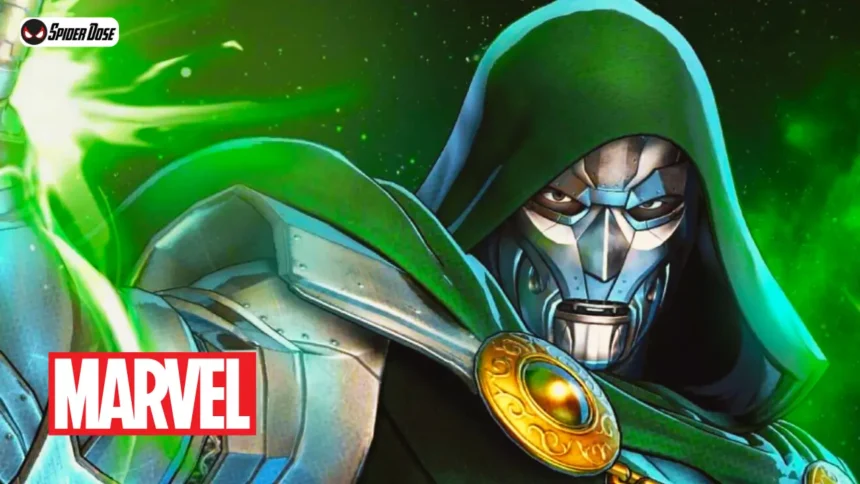
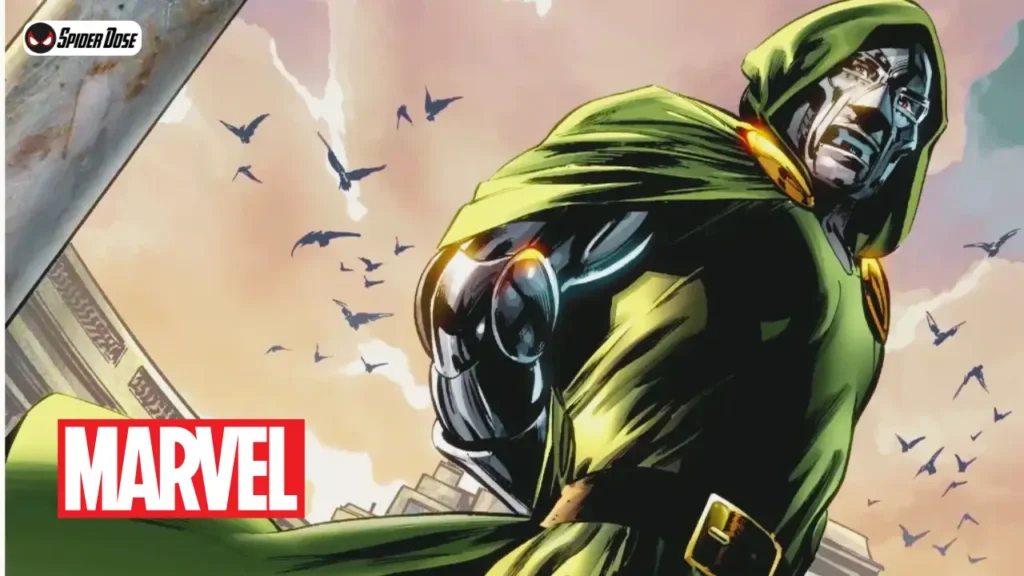
Doctor Doom is one of those characters that makes you stop and rethink what a villain really is. When people search who is Doctor Doom, they’re usually not just looking for a name or an origin — they’re trying to understand why this Marvel character has survived generations without losing relevance. From ruling an entire country to standing toe-to-toe with gods, Doom’s story feels bigger than a typical comic book arc.
What draws me to Victor Von Doom is how his journey mixes tragedy, arrogance, brilliance, and an unshakable belief that the world would be better under his control. He isn’t driven by chaos or madness, but by a cold sense of purpose — and that’s exactly what makes him dangerous.
Before exploring his origins, powers, and future in the Marvel universe, it’s impossible to ignore how his presence connects naturally to large-scale events like Avengers Doomsday, reinforcing why Doom is once again at the center of fan discussions.
Who Is Doctor Doom in Marvel Comics?
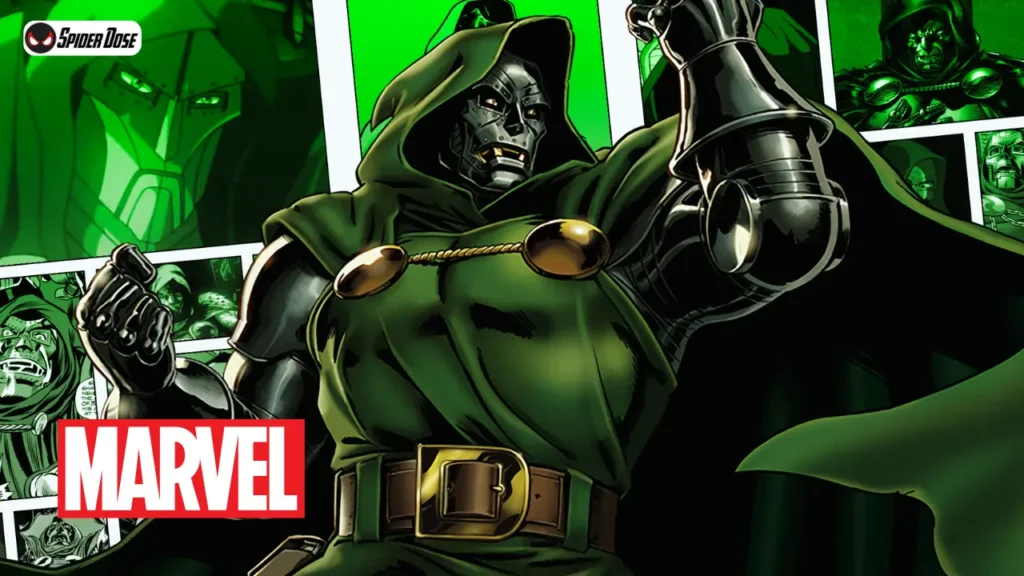
Understanding who Doctor Doom is means looking beyond the armor and the mask. Victor Von Doom was born in Latveria, a fictional Eastern European country, into a life marked by tragedy. His mother, Cynthia Von Doom, practiced dark magic and made a pact with Mephisto, a decision that ultimately cost her soul. His father, Werner Von Doom, died while trying to protect young Victor from persecution.
These events shaped Doom’s worldview. Unlike many villains, his obsession with power stems from a desire to correct what he believes is a fundamentally unjust world. Doom grows up mastering both science and sorcery, an extremely rare combination in Marvel lore, which already sets him apart from most characters.
What makes this origin compelling is how personal it feels. Doom isn’t chasing chaos — he’s chasing control, order, and redemption, even if that path is paved with tyranny.
The Fantastic Four Rivalry
Any serious discussion about who is Doctor Doom inevitably leads to his rivalry with Reed Richards, also known as Mr. Fantastic. Their conflict began long before the Fantastic Four existed, back when both were brilliant students in the United States.


Victor saw Reed not just as a rival, but as a constant reminder of what he believed was stolen from him: recognition, respect, and intellectual supremacy. A failed experiment — which Doom blamed on Richards — left Victor disfigured, accelerating his descent into obsession.
This rivalry goes far beyond physical battles. Doom often defeats the Fantastic Four psychologically, manipulating events from the shadows. Stories like Fantastic Four: 1234 showcase how Doom attacks not with brute force, but by exploiting the deepest fears and desires of each team member.
Doctor Doom’s Powers, Armor, and Abilities
One reason people keep asking who Doctor Doom really is lies in his overwhelming versatility. Doom is not just powerful — he’s prepared.
His iconic armor grants him superhuman strength, energy projection, flight, and near-impenetrable defense. But the armor alone isn’t what makes him dangerous. Doom is also one of the most accomplished sorcerers in Marvel, rivaling even Doctor Strange in certain aspects of the mystic arts.
What truly elevates him is his mind. Doom is widely considered one of the top three human intellects in Marvel. He created the Doombots, perfected time-travel technology, and even learned forbidden magic lost to most sorcerers.
This fusion of technology and magic makes Doom nearly unpredictable — a villain who always has a contingency plan.

Doctor Doom as a Ruler of Latveria
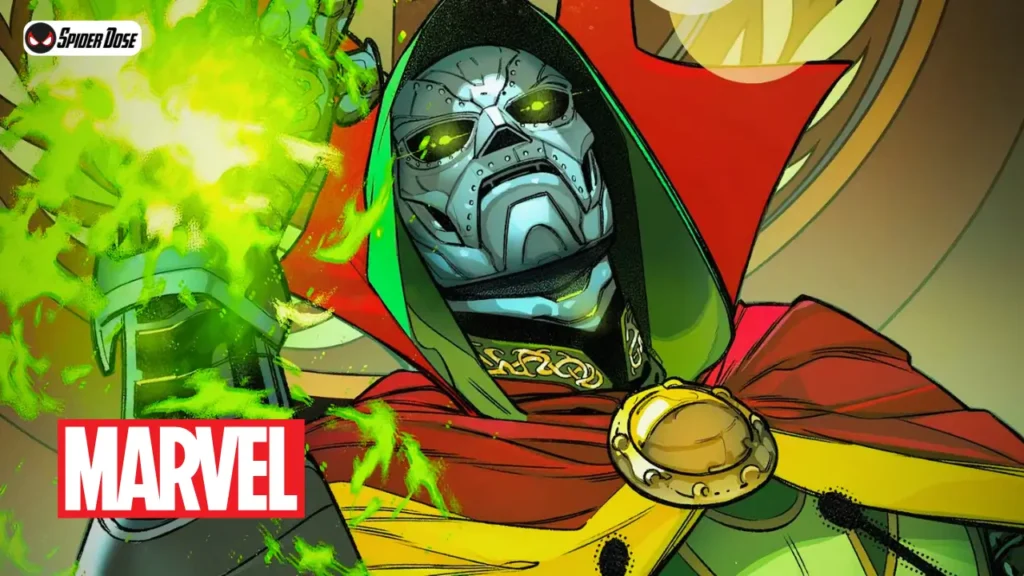
Unlike most villains, Doctor Doom doesn’t hide. He rules Latveria openly, as both monarch and protector. To his people, Doom isn’t necessarily a tyrant — he’s a stabilizing force.
This is where the question of who is Doctor Doom becomes morally complex. Under his rule, Latveria experiences low crime, strong infrastructure, and relative peace. Doom genuinely believes his dictatorship is justified because it works.
From my perspective, this is what separates Doom from characters like Thanos. Doom doesn’t want to erase half the universe — he wants to run it efficiently, with himself at the top.
In the MCU and Fantastic Four (2025)
With Doctor Doom in Fantastic Four (2025) becoming one of the most discussed topics among Marvel fans, many viewers are now asking the same question: who is Doctor Doom, and why does his arrival matter so much? Anticipation has never been higher, and Doom’s eventual introduction into the MCU feels inevitable, especially with multiverse-level threats becoming the new standard.
Hints scattered throughout recent Marvel projects suggest that answering who is Doctor Doom goes far beyond introducing another villain. He could emerge as a central figure shaping future conflicts, with a story that naturally connects to larger arcs and potentially influences events far beyond the Fantastic Four.
If Marvel handles Doom correctly, understanding who is Doctor Doom won’t just be about his origin or powers. He won’t simply be defeated — he’ll redefine what a Marvel antagonist can be.
Why Doctor Doom Matters More Than Ever
So, when people ask who is Doctor Doom, the answer is never simple. He’s a genius, a sorcerer, a ruler, a rival, and at times, a god. Few characters in Marvel history have carried so many layers without losing credibility.
As Marvel continues expanding its cinematic universe and fans revisit the comics through guides like Marvel Movies in Order, Doom stands out as a character who feels timeless. He represents the danger of unchecked brilliance combined with absolute conviction.
And that’s what makes Doctor Doom unforgettable — not just a villain to defeat, but a force to reckon with.