






here’s something fascinating about cosmic heroes who don’t rely on magic spells or inherited powers. The Green Lantern Corps represents discipline, responsibility, and choice on a universal scale. Every time I dive back into DC lore, I’m reminded that these characters aren’t just space cops wearing green — they’re symbols of pure determination.
- 1. The Green Lantern Corps Is the Police Force of the Universe
- 2. Their Power Comes From Pure Willpower
- 3. The Rings Choose Their Bearers
- 4. Earth Is a Unique Case in the Corps
- 5. The Most Famous and Influential Lantern Corps
- 6. The Ring Must Be Recharged Every 24 Hours
- 7. The Full Extent of Green Lantern Powers
Introduced in DC Comics back in the 1960s, this intergalactic force was created to protect the universe from chaos, one sector at a time. What makes the Corps truly compelling is how its power system reflects human emotion, especially willpower. Before exploring each powerful fact, it’s important to understand that this organization isn’t driven by destiny alone — it’s driven by resolve, courage, and responsibility.
1. The Green Lantern Corps Is the Police Force of the Universe
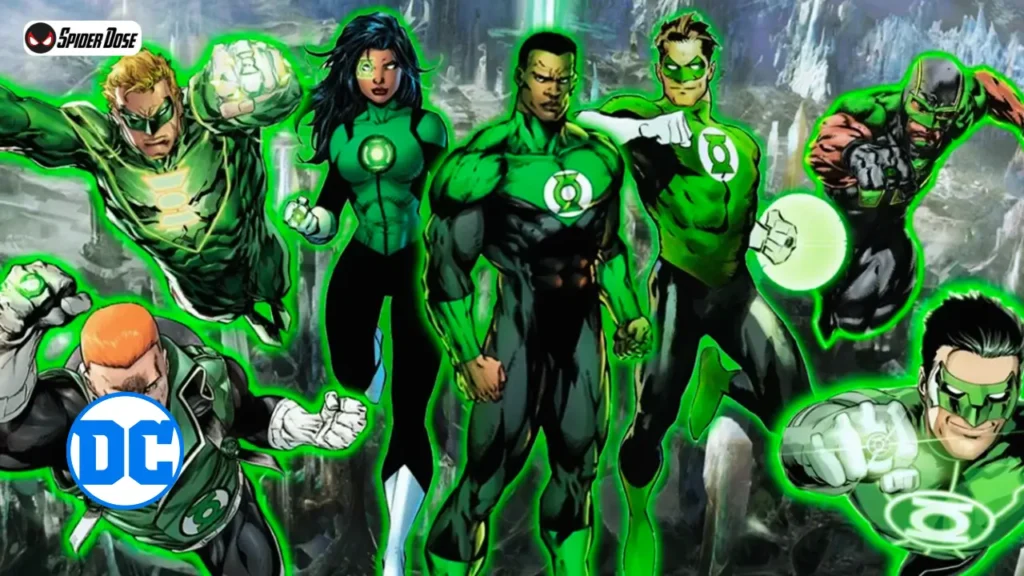
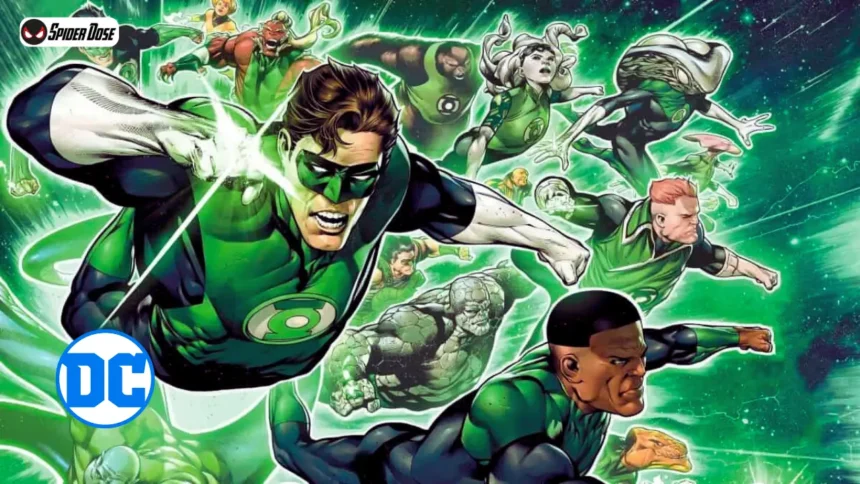
The first thing that truly defines the Green Lantern Corps is its role as the official law enforcement agency of the DC Universe. When I realized how massive their jurisdiction is, it completely changed how I viewed them. The universe is divided into 3,600 sectors, and each one is assigned at least one Green Lantern to maintain peace and order.

These Lanterns don’t answer to planets or governments. They answer to the Guardians of the Universe, ancient beings from Oa who established the Corps to prevent cosmic-scale disasters. This structure makes the organization feel more like an interstellar police force than a typical superhero team.
Unlike heroes who act locally, members of this Corps deal with invasions, galactic wars, and threats that could wipe out entire civilizations. Their authority is recognized across galaxies, which gives them a level of influence very few DC characters can match.
2. Their Power Comes From Pure Willpower
What sets this Corps apart from almost every other superhero group is the source of its power. The Green Lantern Corps draws its strength from willpower — the ability to overcome fear through sheer determination. That concept alone makes their mythology incredibly powerful.
The stronger the user’s will, the more powerful the ring becomes. I’ve always found this fascinating because it turns inner strength into a tangible weapon. There’s no shortcut. No rage, no love, no fear — just focus and resolve.



This is why not everyone can use a Green Lantern ring effectively. Even among chosen Lanterns, some struggle to control their constructs. The ring doesn’t simply grant power; it reflects the mental and emotional discipline of its bearer.
3. The Rings Choose Their Bearers
One of the most iconic rules of the Green Lantern Corps is that the rings choose their wielders. This isn’t symbolic — it’s literal. When a Lantern dies or becomes unworthy, the ring searches the universe for someone capable of overcoming great fear.
Characters like Hal Jordan, John Stewart, and Kyle Rayner were not trained warriors or cosmic beings when they were chosen. They were selected because, in critical moments, they showed unmatched courage.
This system adds emotional weight to every new Lantern. Being chosen isn’t about status or lineage. It’s about character. That’s why stories involving the ring selection often feel deeply personal and inspiring.
4. Earth Is a Unique Case in the Corps
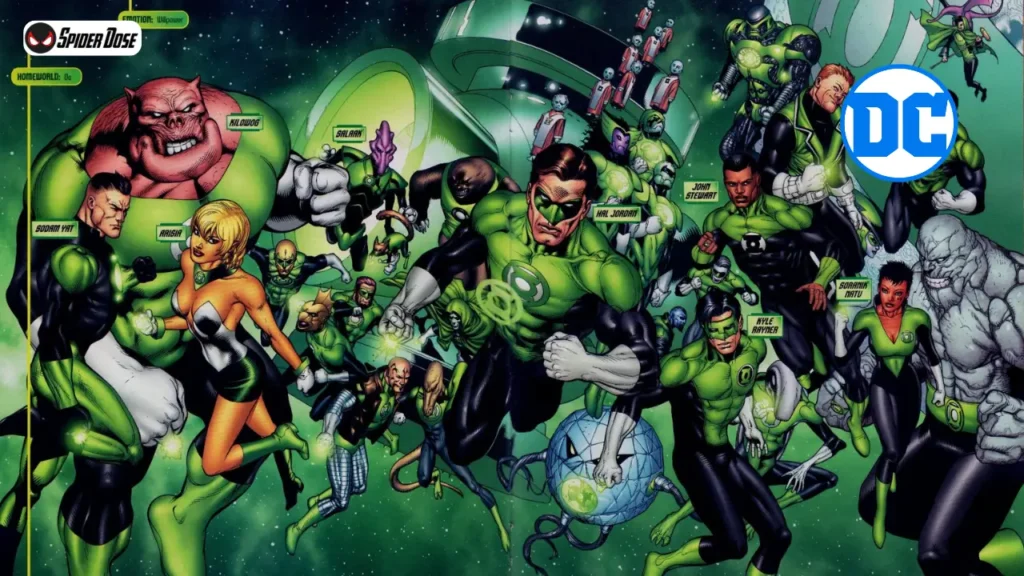
Sector 2814, which includes Earth, is a massive anomaly within the Green Lantern Corps. Normally, one Lantern per sector is enough. Earth, however, has produced multiple Green Lanterns — something extremely rare in the DC Universe.
This alone tells us how important Earth is to the larger cosmic narrative. Over time, heroes like Hal Jordan, Guy Gardner, John Stewart, Kyle Rayner, and others have all served simultaneously.



From my perspective, this reinforces why Earth is constantly at the center of universal conflicts. It’s not just a narrative choice — the lore defines it. The planet produces individuals with extraordinary willpower, making it a focal point for cosmic destiny.
5. The Most Famous and Influential Lantern Corps
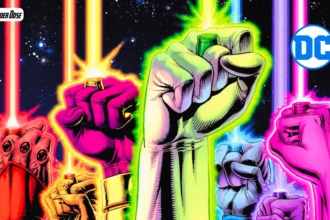
Even though there are many Lantern Corps tied to different emotional spectrums, the Green Lantern Corps remains the most iconic. They are the oldest organized Lantern force and consistently appear throughout DC history
They appear more frequently than any other Corps in comics, animated series, and films. Their connection to major teams like the Justice League places them at the center of DC storytelling.
When people think of Lanterns, green is the first color that comes to mind. That visibility isn’t accidental. It’s the result of decades of storytelling that positioned them as the backbone of DC’s cosmic mythology.
6. The Ring Must Be Recharged Every 24 Hours
One of the most overlooked but important facts about the Green Lantern Corps is the ring’s limitation. Each ring needs a power battery to recharge every 24 hours.
This ritual is more than a technical necessity — it’s symbolic. During recharging, Lanterns recite the iconic oath, reaffirming their commitment to justice and responsibility. That moment reinforces discipline and purpose.
I’ve always seen this as a brilliant narrative tool. It reminds us that power isn’t infinite. Even the strongest Lantern must regularly reconnect with their values, or risk losing everything.
7. The Full Extent of Green Lantern Powers
The abilities granted by a Green Lantern ring go far beyond simple energy blasts. Members of the Green Lantern Corps can create solid light constructs, travel faster than light, survive in space, and translate any language in the universe.
What truly makes these powers unique is creativity. The ring responds to imagination as much as willpower. Two Lanterns with equal strength can fight completely differently depending on how they visualize their constructs.
This flexibility makes every Lantern distinct. No two fighting styles are the same, and that’s what keeps their stories endlessly engaging.