





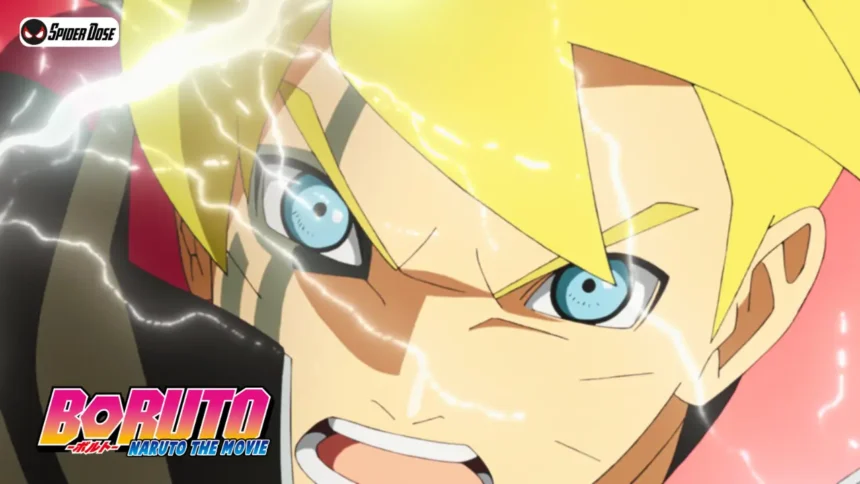
When I first started watching Boruto: Naruto Next Generations, I quickly realized that the anime follows a very different structure compared to its predecessor. Unlike Naruto or Shippuden, Boruto blends manga canon, anime-original stories, and pure filler in a way that often confuses new viewers. That’s exactly why having a clear episode guide, like the Boruto filler list, makes such a big difference.
- Quick List – Boruto Filler List
- Academy Entrance Arc (Episodes 1–15)
- Sarada Uchiha Arc (Episodes 19–23)
- Graduation Exams Arc (Episodes 34–38)
- Boruto Filler List: Versus Momoshiki Arc (Episodes 53–66)
- Mujina Bandits Arc (Episodes 148–151)
- Kara Actuation Arc (Episodes 157–180)
- Boruto Filler List: Kawaki Arc: Kara Clash (Episodes 181–220)
- Is Boruto The End? Is There Something Coming After?
The series premiered in April 2017, produced by Studio Pierrot, and continues the legacy of the ninja world through the eyes of Boruto Uzumaki, Naruto’s son. While the manga is written by Ukyo Kodachi (later Masashi Kishimoto) and illustrated by Mikio Ikemoto, the anime expands heavily on side stories. Knowing which arcs are essential and which ones you can skip helps you enjoy the story without burnout.
It’s worth remembering that it’s not ideal to start with this anime if you’re watching it for the first time without having seen Naruto before. The Naruto story covers all the previous events; you can check our list of Naruto filler list and our other article about Naruto Shippuden filler list.

Quick List – Boruto Filler List
Boruto Filler List
| Manga Canon Episodes: |
| 19-23, 39, 53-58, 61-66, 106-111, 148-151, 181-189, 193-208, 212-220, 282-293 |
| Mixed Canon/Filler Episodes: |
| 1, 18, 24, 59, 93-95, 127, 157, 192, 210-211 |
| Filler Episodes: |
| 16-17, 40-41, 48-50, 67-69, 96-97, 112-119, 138-140, 152-154, 156, 256 |
| Anime Canon Episodes: |
| 2-15, 25-38, 42-47, 51-52, 60, 70-92, 98-105, 120-126, 128-137, 141-147, 155, 158-180, 190-191, 209, 221-255, 257-281 |
Academy Entrance Arc (Episodes 1–15)
This arc introduces the world of Boruto Uzumaki years after the end of the Fourth Great Ninja War. Even though these episodes are not adapted directly from the manga, they are considered anime canon, meaning they officially belong to the main timeline. Boruto is still a student at the Ninja Academy, long before becoming a genin.
The story focuses on strange incidents happening in the Hidden Leaf Village, linked to a mysterious presence that only Boruto can see. This is where the anime first hints at the Jōgan, one of the most intriguing concepts in the entire series. For readers searching for a reliable Boruto filler list, this arc often causes confusion, but it actually adds meaningful context.
It also establishes Boruto’s rebellious personality and his strained relationship with Naruto Uzumaki, now the Hokage. While not mandatory for manga-only viewers, these episodes make Boruto’s later choices feel more grounded and emotional.
Sarada Uchiha Arc (Episodes 19–23)
This short but powerful arc is adapted from a one-shot written by Masashi Kishimoto and focuses on Sarada Uchiha. It explores her identity, her doubts, and her connection to the Uchiha legacy. Many viewers consider this arc essential, even when following a strict Boruto filler guide.



Sarada begins questioning her origins, especially her relationship with Sasuke Uchiha. The arc delivers strong emotional moments involving Sakura and gives deeper insight into what it means to grow up in the shadow of legendary parents.
From a storytelling perspective, this arc bridges the old generation with the new one. It adds depth to the Team 7 dynamic and proves that Boruto is not just about action, but also character-driven storytelling.
Graduation Exams Arc (Episodes 34–38)
This arc marks the official transition from academy students to full-fledged ninja. Classified as anime canon, it fills narrative gaps left by the manga and shows how Boruto and his classmates earn their ninja status.
The graduation exams highlight each character’s strengths, weaknesses, and mindset. Mitsuki, in particular, starts to stand out, raising questions about his true nature. For readers consulting a Boruto filler list, this arc often sits in a gray area, but it plays an important role in shaping the team dynamics.
More importantly, it prepares the audience for future rivalries and alliances without dragging the story or feeling like unnecessary padding.
Boruto Filler List: Versus Momoshiki Arc (Episodes 53–66)
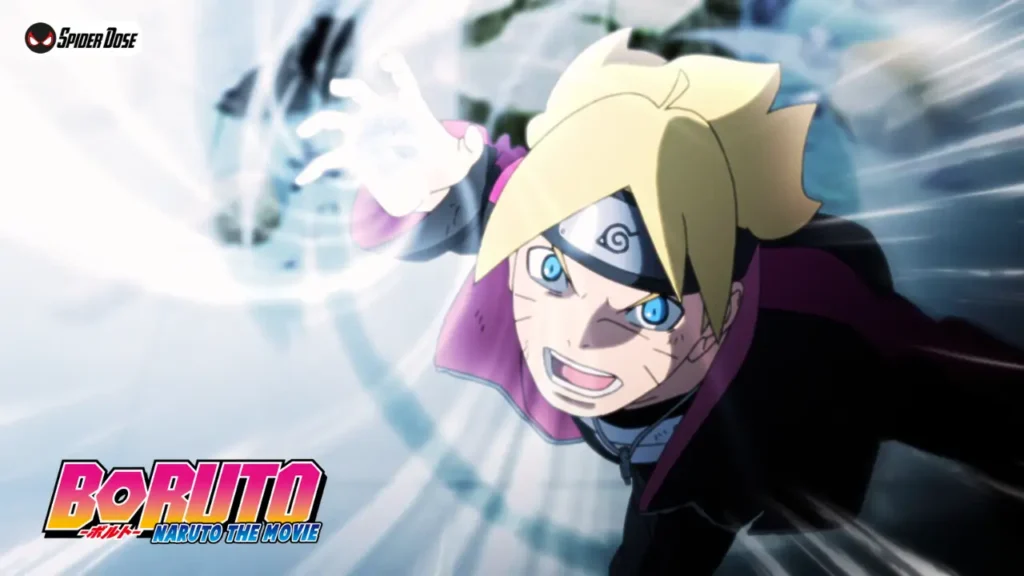
This is one of the most important arcs in the entire series and is fully adapted from the manga and Boruto: Naruto the Movie. It is 100% manga canon and should never be skipped.

The arc introduces Momoshiki Ōtsutsuki and raises the stakes dramatically. The battles involving Naruto, Sasuke, and Boruto are among the best-animated fights in the Naruto franchise. This is also where Boruto begins to understand the burden of his legacy.
Any serious Boruto filler list highlights these episodes as mandatory viewing, even for fans who want to avoid filler content entirely.
Mujina Bandits Arc (Episodes 148–151)
This short arc directly adapts events from the manga and shows Boruto dealing with real consequences for the first time. The story centers around a mission involving dangerous prisoners and the criminal group known as the Mujina Bandits.
The villain Shojoji serves as a dark contrast to Boruto, forcing him to mature quickly. In most Boruto filler breakdowns, this arc is classified as essential due to its direct connection to future events.
Despite its short length, it plays a crucial role in transitioning the story toward darker and more complex themes.
Kara Actuation Arc (Episodes 157–180)
This is one of the most debated arcs in the anime. Classified as anime canon, it acts as a bridge leading directly into the manga-heavy storyline involving the organization Kara.
The arc explores ninja technology, human experimentation, and the growing tension behind the scenes. Although not adapted from the manga, it introduces concepts that become central later on.
For anyone following a detailed Boruto filler list, this arc may seem optional at first, but it adds valuable context and makes the Kara conflict feel more impactful.
Boruto Filler List: Kawaki Arc: Kara Clash (Episodes 181–220)
This arc marks a turning point for Boruto and is fully based on the manga. It introduces Kawaki, one of the most important characters in the series.
The relationship between Boruto and Kawaki, combined with the escalating threat of Kara, fundamentally changes the tone of the anime. Themes of identity, destiny, and sacrifice become much more prominent.
Every well-structured Boruto filler list classifies this arc as unskippable. It redefines the story and sets the foundation for everything that comes next.
If you’ve made it this far using a proper Boruto filler list, you’re already ahead of most viewers. Knowing what to skip and what to focus on makes the experience far more enjoyable. This is especially true for a series that mixes manga canon, anime canon, and filler so heavily. I’ve followed Boruto from the beginning, and watching it with a clear guide completely changes how engaging the story feels.
Is Boruto The End? Is There Something Coming After?
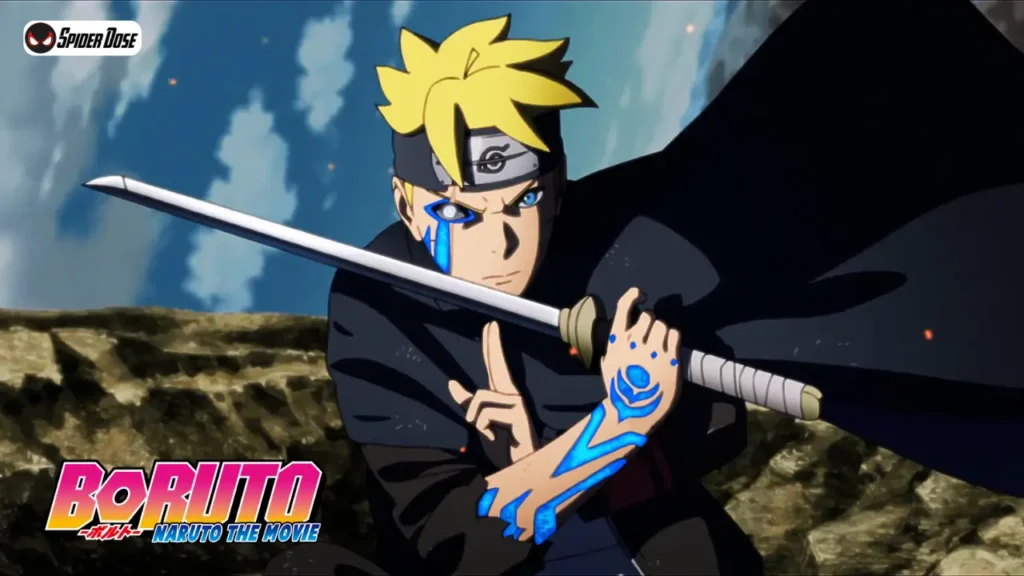
Right now, Boruto: Naruto Next Generations is officially available to stream on both Netflix and Crunchyroll, making it easy to watch or rewatch at your own pace. The first part of the anime concluded with episode 293 in March 2023, wrapping up a major chapter of the story.
However, the journey is far from over. A second part of the anime is currently in production, adapting the manga sequel Boruto: Two Blue Vortex, which takes the story in a much darker and more mature direction. If you’re planning to continue after finishing this guide, now is the perfect time to catch up and be ready for what comes next.