





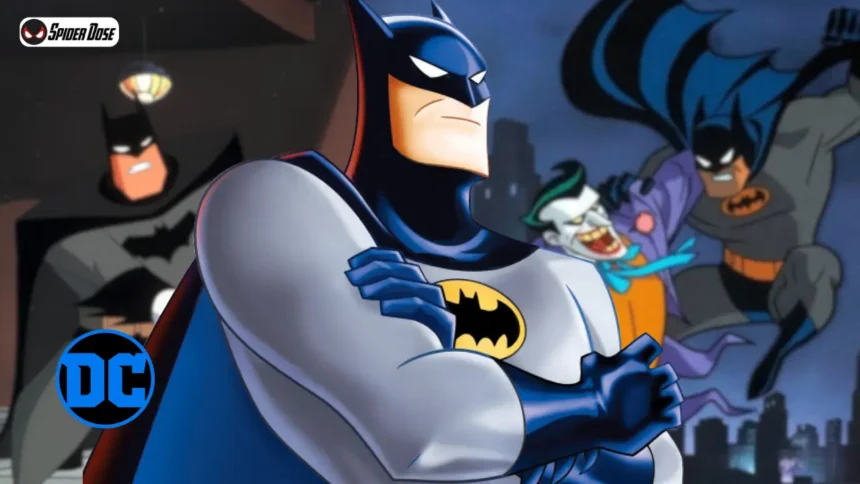
Have you ever wondered how many Batman animated shows have graced our screens over nearly six decades?
- The Beginning: Batman Enters Animation (1968)
- Super Friends Era: Batman Joins the Team (1973-1985)
- The New Adventures of Batman (1977)
- Batman: The Animated Series (1992-1995)
- The New Batman Adventures (1997-1999)
- Batman Beyond (1999-2001)
- The Batman (2004-2008)
- Batman: The Brave and the Bold (2008-2011)
- Beware the Batman (2013-2014)
- Justice League Action (2016-2018)
- Batman: Caped Crusader (2024)
- Bat-Fam (2025)
- Comparing the Eras: How Batman Evolved
- The Voice Actors Who Defined Batman
- Why Batman Works So Well in Animation
- The Cultural Impact
- What’s Next for Batman Animation?
- Frequently Asked Questions
- Conclusion: A Legacy Across Decades
As someone who’s spent countless hours immersed in Gotham’s animated adventures, I can tell you that Batman’s journey through television animation is nothing short of extraordinary. We’re talking about a character who has reinvented himself more times than any other superhero, adapting to every generation while maintaining that core essence that makes him Batman.
Let me take you on a comprehensive journey through every Batman animated shows ever created, from the groovy 1968 beginnings to the noir-inspired 2025 offerings. If you’re also planning to binge-watch the Batman films, be sure to check out our complete guide to Batman movies in order.


The Beginning: Batman Enters Animation (1968)
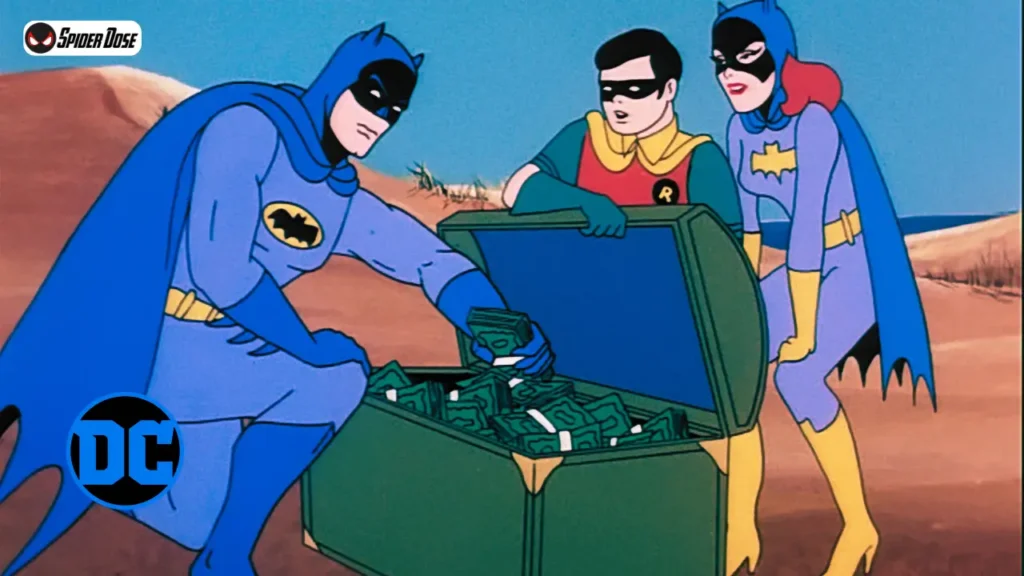
Starting with The Adventures of Batman in 1968, DC Comics has continually put out exciting Batman cartoons for fans to enjoy. This first venture into animation came on the heels of the massively successful Adam West live-action series.
Technically, the series was a repackaging of episodes originally produced for The Batman/Superman Hour.
Radio personality Casey Kasem, who was also the original voice of Shaggy Rogers in Scooby-Doo, voiced Robin, with Olan Soule voicing Batman.
The show featured stiff animation by today’s standards, but it marked the crucial first step in Batman’s animated legacy. Each episode presented two short Batman stories, clocking in at just 6.5 minutes each.
Super Friends Era: Batman Joins the Team (1973-1985)
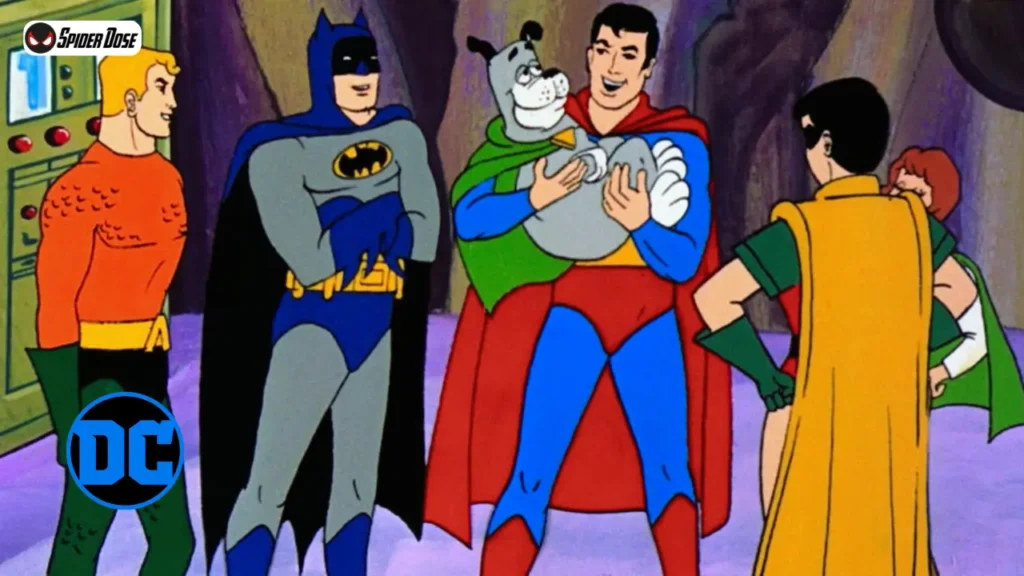
Following the success of the first Batman cartoon, as well as the animated appearances of heroes like Superman and Aquaman elsewhere, the heroes came together along with other members of DC Comics’ pantheon in 1973 for Super Friends.
While Batman wasn’t the sole star of the series, both he and Robin played crucial roles as part of the main cast. The show went through multiple iterations and title changes.
Super Friends was canceled after the first season, but it was later revived under a new title, Challenge of the Super Friends. The show then moved through other titles, like The Super Powers Team: Galactic Guardians, before it was ultimately canceled again in 1985.
Despite its dated feel, Super Friends — and all its iterations — shows its age but was a crucial turning point in the Justice League becoming one of the most iconic superhero teams in pop culture.
The New Adventures of Batman (1977)
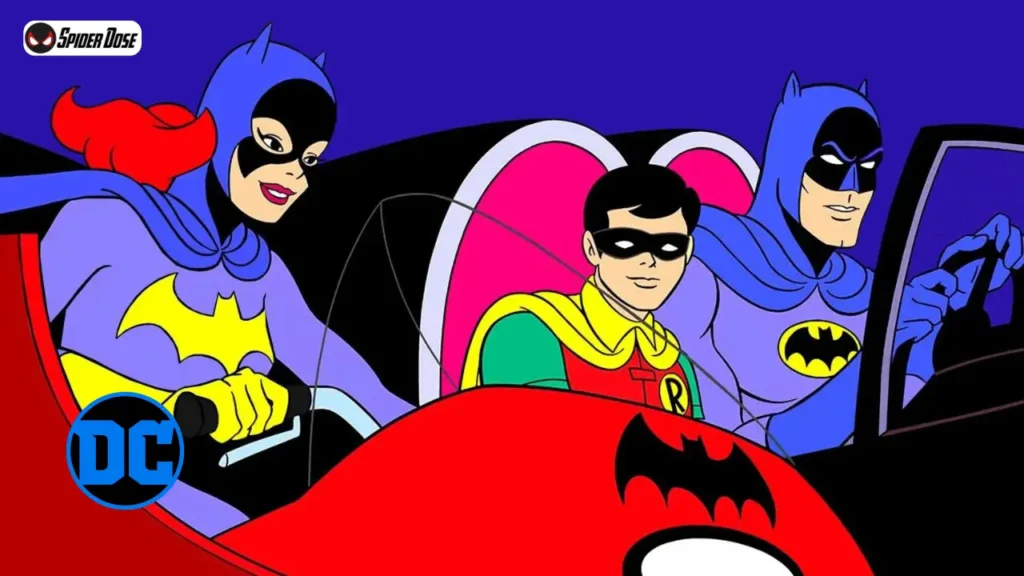
After a brief hiatus, Batman returned to animation in a big way.
The New Adventures of Batman was a short-lived animated series that only aired on CBS for four months between February and May 1977.
What made this show special? It boasted markedly improved animation quality and the welcome return of Adam West and Burt Ward in their original roles, years after their own live-action show was canceled. West and Ward continued to excel in the roles, giving the characters that brand of goofy charm that earned them so much affection.

The series also introduced Bat-Mite, the dimension-hopping imp who became a divisive character among fans and contributed to the show’s short run.
Batman: The Animated Series (1992-1995)
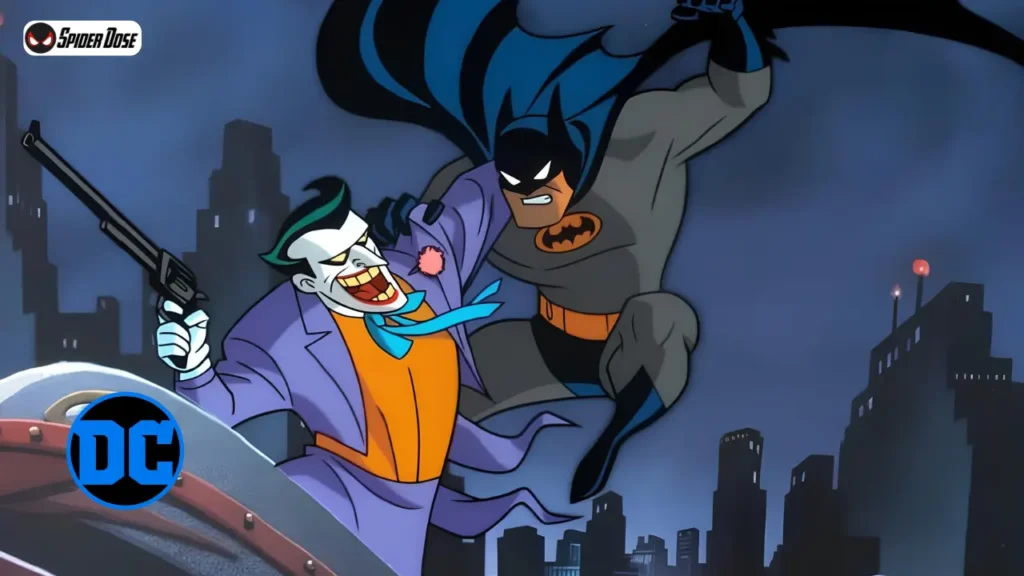
Now we’re getting to what many consider the gold standard. I remember exactly where I was when I first watched this masterpiece.
Batman: The Animated Series is an American animated superhero television series based on the DC Comics superhero Batman. Developed by Bruce Timm and Eric Radomski, and produced by Warner Bros. Animation, it originally aired on Fox Kids from September 5, 1992, to September 15, 1995, with a total of 85 episodes.
There is perhaps still no better Batman TV show than Batman: The Animated Series. Created by Bruce Timm and Eric Radomski, Batman: TAS blends an iconic modern-noir art style with complex writing and character depth that hadn’t been seen before in Batman’s animated adventures.
The show introduced us to iconic elements that are now Batman staples.
This series introduced Harley Quinn to the world, a character who likely needs no introduction to Batman fans.
Kevin Conroy has the perfect voice for both Batman and Bruce Wayne (there is a very obvious distinction). Mark Hamill gives the Joker sadism, sarcasm, and lunacy without resorting to goofiness.
The aesthetic was groundbreaking. The creators used “Dark Deco” – a unique blend of film noir and Art Deco that gave Gotham an timeless quality. They even painted backgrounds on black paper instead of white, creating those gorgeously dark settings we all remember.
The New Batman Adventures (1997-1999)
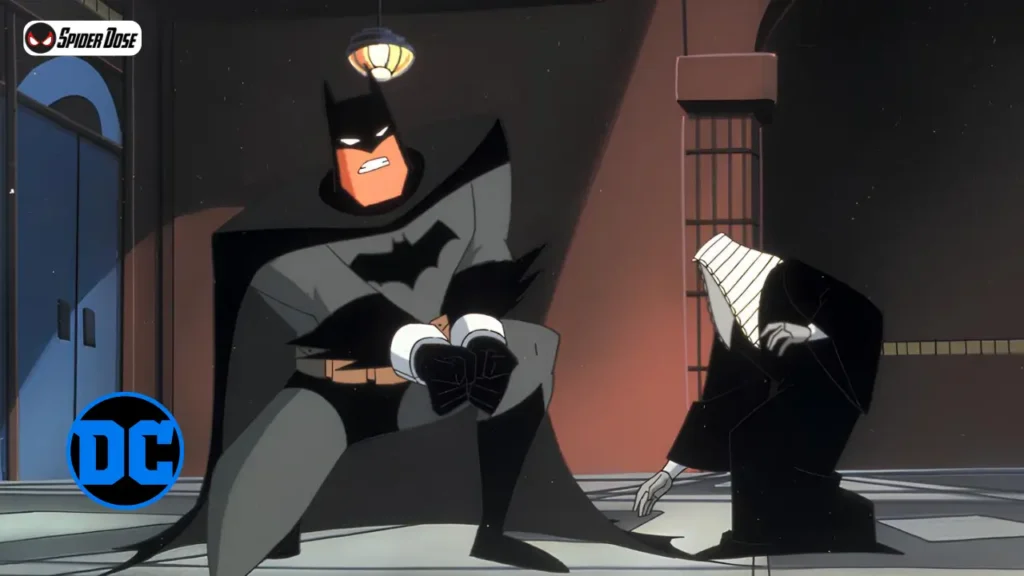
The New Batman Adventures debuted in 1997 as a direct sequel to BTAS with a revamped animation style to align with Superman: The Animated Series. While technically a separate series, it’s now regarded as the third season of Batman: The Animated Series.
The show featured a redesigned look with sharper, more angular character designs. Kevin Conroy and Mark Hamill returned, maintaining continuity with the original series while expanding the Batman universe.
Batman Beyond (1999-2001)
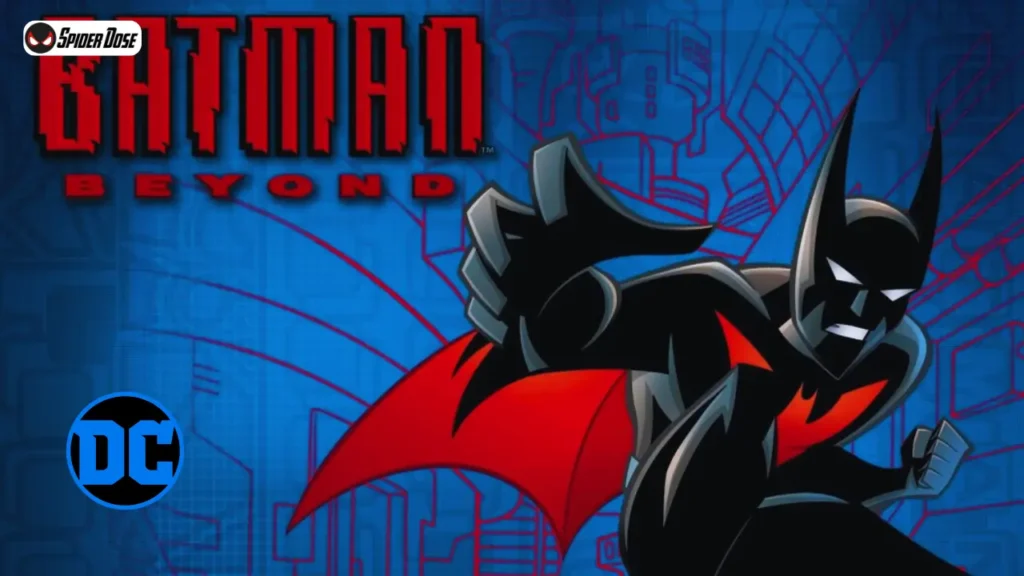
Batman Beyond is an American animated cyberpunk superhero television series based on the DC Comics superhero Batman, and serving as the sequel to both Batman: The Animated Series and The New Batman Adventures. Created and developed by Paul Dini, Bruce Timm, and Alan Burnett and produced by Warner Bros. Television Animation, the series began airing on January 10, 1999 on The WB’s Sunday Night lineup as a two-part pilot.
The series follows the exploits of teenager Terry McGinnis, who becomes the new Batman for the city of Gotham in the near future. Terry is aided and mentored by the retired Batman, Bruce Wayne, as he faces a variety of new supervillains.
I’ll admit, I was skeptical at first. A teenage Batman? But the show won me over completely.
While the idea of Batman Beyond seemed as if it were “not a proper continuation of the legacy of the Dark Knight”, the series received critical acclaim and a cult following after its release. It has been praised for its dark and cyberpunk storytelling.
The Batman (2004-2008)
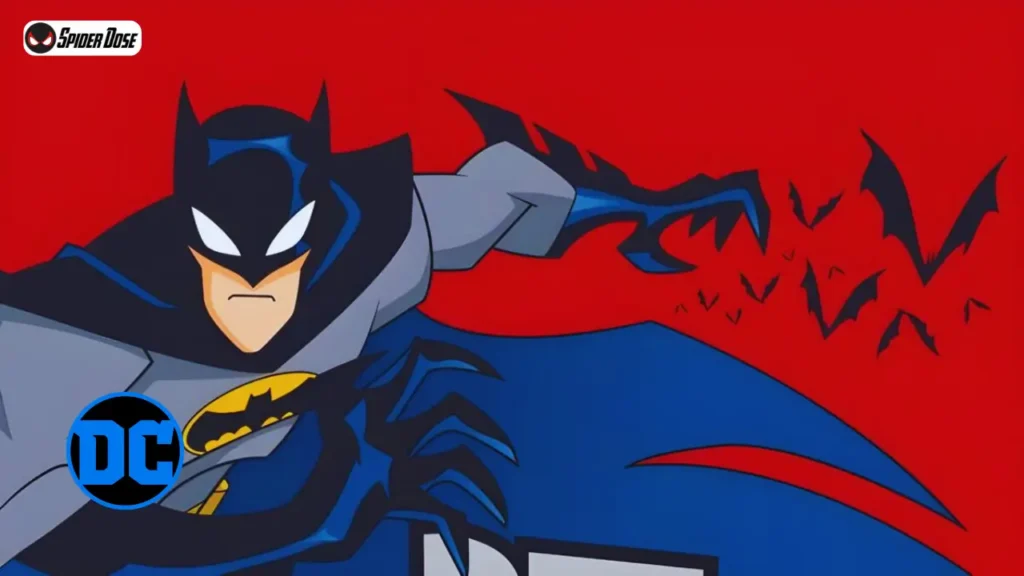
We entered a new era with this series. The Batman took a different approach, featuring a younger Bruce Wayne in his early crime-fighting years. The show aired for five seasons and 65 episodes, presenting a more stylized, anime-influenced animation style.
The series introduced fresh takes on classic villains and featured a distinctive character design that set it apart from previous iterations. While it initially received mixed reactions from fans attached to the DCAU, it found its own audience and developed a unique identity.
Batman: The Brave and the Bold (2008-2011)
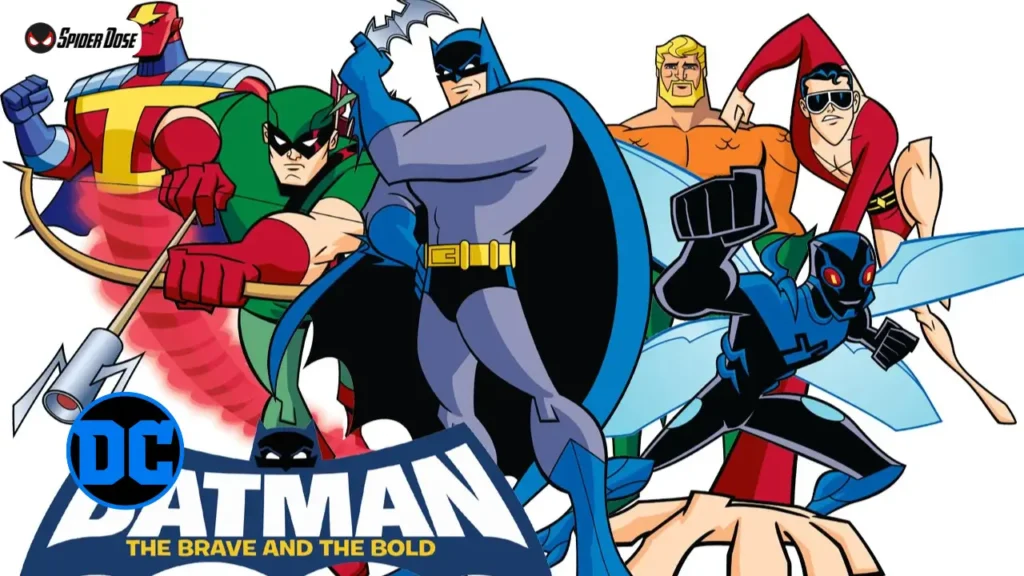
Batman: The Brave and the Bold was an animated Batman TV series that premiered in 2008 and ended in 2011. It was loosely based on DC Comics’ The Brave and The Bold comic book. In each episode, the focus was on Batman teaming-up with various DC Comics superheroes — both well-known and obscure.
As the title suggests, the series focuses on Batman’s regular “team-ups” with various heroes similar to the most well-known version of the original comic book series. This version has a much lighter and simpler, often comic feel, targeting younger viewers more than the character’s other series. The series premiered on November 14, 2008, on Cartoon Network in the United States, and ended on November 18, 2011.
Diedrich Bader starred in the series as the voice of Batman. This show was a love letter to the Silver Age of comics, embracing the fun, lighter side of the character while still maintaining quality storytelling.
Beware the Batman (2013-2014)
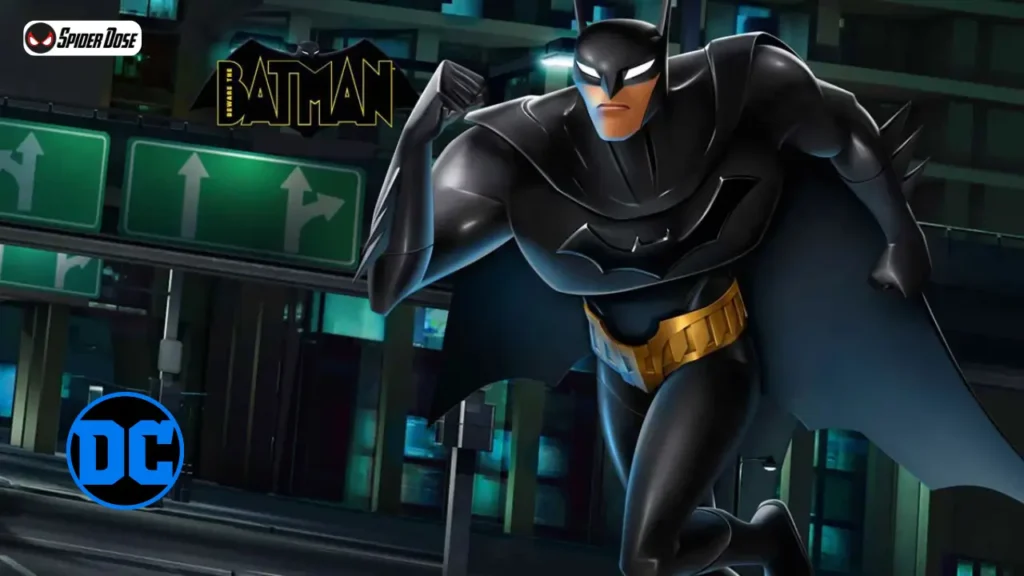
After the lighthearted Brave and the Bold, Beware the Batman swung the pendulum back toward a more serious tone. The show featured CGI animation instead of traditional 2D, which was a significant departure for Batman animation.
The series focused on lesser-known villains from Batman’s rogues gallery and introduced Katana as Batman’s primary sidekick instead of Robin. Despite strong storytelling, the show faced scheduling issues and was cancelled after one season.
Justice League Action (2016-2018)
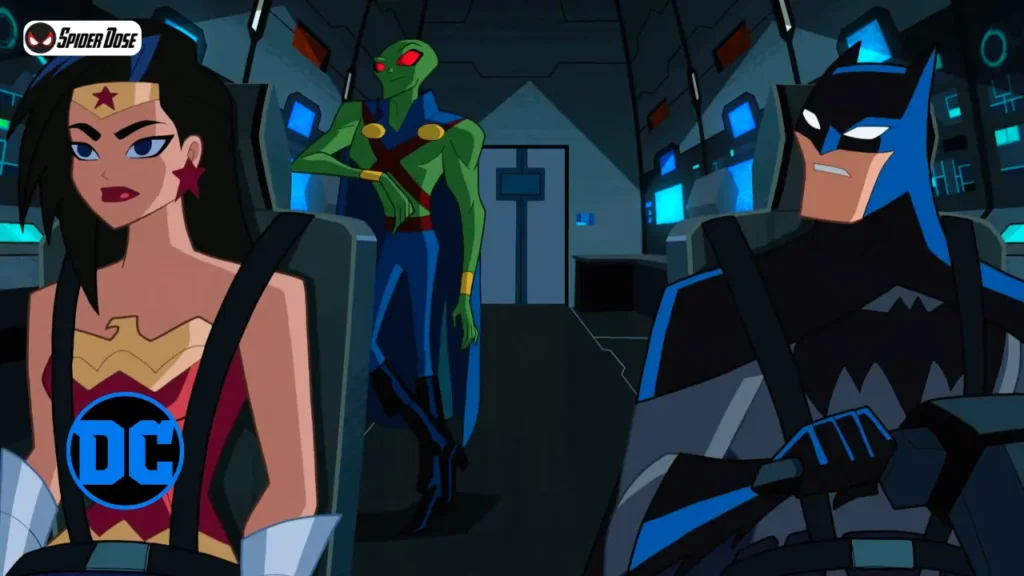
While not a Batman-centric show, Justice League Action featured Batman prominently throughout its run. Kevin Conroy returned to voice the character in this lighthearted, action-packed series that featured 11-minute episodes.
The show embraced a fun, accessible approach to DC’s heroes, making it perfect for younger audiences while including enough references to satisfy longtime fans.
Batman: Caped Crusader (2024)
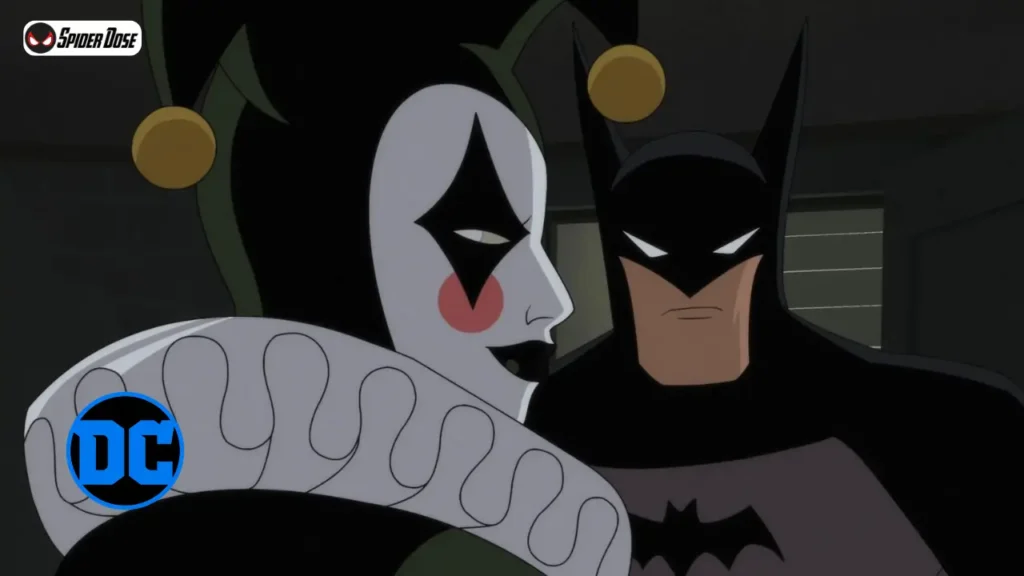
Batman: Caped Crusader is an American animated television series based on the DC Comics character Batman. The series is developed by Bruce Timm, and produced by Bad Robot Productions, 6th & Idaho Motion Picture Company, DC Entertainment, Warner Bros. Animation, and Amazon MGM Studios. Premiered on August 1, 2024, on Amazon Prime Video, the show offers a noir-inspired reimagining of the Batman mythos, focusing on a young Bruce Wayne during the early stages of his crime-fighting career in Gotham City, drawing inspiration from Batman stories of the 1940s and 1960s.
Unlike previous Batman-centered programming, Caped Crusader explores themes of corruption and crime in a stylized, period setting. The project was first announced in May 2021 and has been noted for its serialized storytelling and deep psychological exploration of its characters. Critics have praised its mature tone and complex portrayal of the superhero, setting it apart from previous adaptations.
The show represents Bruce Timm’s return to Batman animation after decades, bringing his signature style to a new generation.
Bat-Fam (2025)
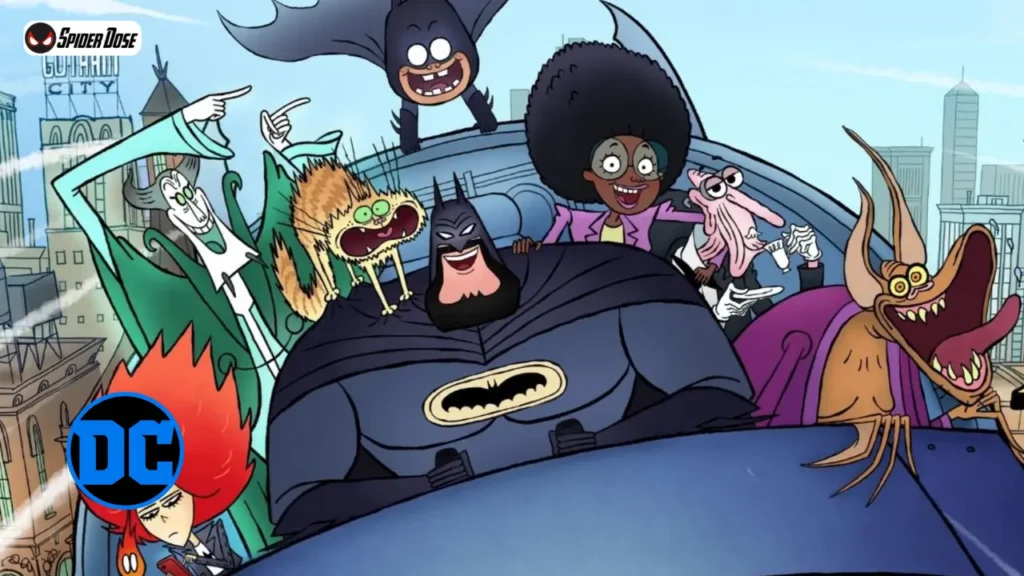
All ten episodes from show’s first season debuts Nov. 10, 2025 on Prime Video. This upcoming series will focus on Batman’s extended family, offering a lighter, more family-friendly take on the Batman universe.
Based on the film “Merry Little Batman,” this series promises to explore the dynamics of the Bat-family in a unique animated format.
Comparing the Eras: How Batman Evolved
Looking at these shows chronologically reveals fascinating patterns. The early shows (1968-1985) embraced camp and simplicity, reflecting the era’s approach to children’s programming.
The DCAU era (1992-2001) revolutionized superhero animation, proving that cartoons could tackle mature themes while remaining accessible to younger viewers. This period gave us some of the most critically acclaimed superhero television ever produced.
The 2000s brought experimentation with different tones and styles, from The Batman’s anime influences to Brave and the Bold’s Silver Age homage. Each show sought to find its own voice while honoring Batman’s legacy.
The modern era (2024-2025) sees a return to noir aesthetics and psychological depth, suggesting that audiences are ready for more sophisticated animated storytelling.
The Voice Actors Who Defined Batman
We can’t discuss Batman animated shows without celebrating the voice actors who brought the character to life. Kevin Conroy’s performance across multiple series remains the definitive Batman voice for millions of fans. Diedrich Bader brought a different energy to Brave and the Bold, while Rino Romano carved out his own interpretation in The Batman.
Each actor contributed something unique, helping Batman transcend any single interpretation.
Why Batman Works So Well in Animation
Animation offers Batman something live-action sometimes struggles to provide: the perfect balance between realism and comic book spectacle. Animated shows can explore fantastical villains, impossible action sequences, and emotional depth without budgetary constraints limiting creativity.
The medium also allows for experimentation. Batman Beyond’s futuristic setting would have been prohibitively expensive in live-action. Brave and the Bold’s Silver Age aesthetic works perfectly in animation but might feel too campy in live-action.
The Cultural Impact
These shows didn’t just entertain – they shaped how generations understand Batman. For many, including myself, Batman: The Animated Series is THE definitive version of the character. It influenced everything from comic books to video games to live-action films.
Harley Quinn, now one of DC’s most popular characters, was created for the animated series and later incorporated into comics. That’s the kind of cultural impact we’re talking about.
What’s Next for Batman Animation?
With Caped Crusader season 2 confirmed and Bat-Fam launching in 2025, Batman’s animated future looks bright. The success of mature animated content on streaming platforms suggests we might see even more ambitious Batman projects.
I’m particularly excited about the possibility of more period pieces like Caped Crusader, exploring different eras of Gotham’s history.
Frequently Asked Questions
What was the first Batman animated show?
The Adventures of Batman premiered in 1968, making it the first Batman animated series. It featured Olan Soule as Batman and Casey Kasem as Robin.
Which Batman animated series is considered the best?
Batman: The Animated Series (1992-1995) is widely regarded as the best, praised for its noir aesthetic, mature storytelling, and Kevin Conroy’s iconic voice performance.
How many Batman animated series exist?
There have been over a dozen Batman animated series from 1968 to 2025, including shows where Batman is the main character and ensemble shows like Justice League where he plays a prominent role.
Is Batman Beyond connected to Batman: The Animated Series?
Yes, Batman Beyond directly continues the same continuity as Batman: The Animated Series and takes place decades later, with an elderly Bruce Wayne mentoring a new Batman.
Where can I watch Batman: Caped Crusader?
Batman: Caped Crusader is available exclusively on Amazon Prime Video, with the first season released on August 1, 2024.
Who has voiced Batman the most in animated series?
Kevin Conroy voiced Batman across multiple series and films from 1992 until his passing in 2022, making him the most prolific Batman voice actor in animation history.
Conclusion: A Legacy Across Decades
From the campy 1960s to the sophisticated noir of today, Batman’s animated journey reflects changing attitudes toward superhero storytelling. Each series brought something unique to the table, whether it was The Animated Series’ revolutionary approach, Batman Beyond’s bold reimagining, or Brave and the Bold’s joyful celebration of comic book history.
As we look forward to new animated adventures, one thing remains certain: Batman will continue evolving while staying true to the core elements that make him endure. The Dark Knight’s animated legacy goes beyond entertainment—it shows how creators can endlessly reinterpret the character while keeping him instantly recognizable.
Whether you grew up with the 1968 series, discovered Batman through The Animated Series, or are just now experiencing Caped Crusader, there’s a Batman animated show for every fan. And that’s the beautiful thing about this medium – it allows Batman to be everything to everyone, adapting to each generation while honoring what came before.
The journey from 1968 to 2025 shows us that great characters transcend their medium. Batman works in animation because the best creators understand that beneath the cape and cowl is a story about justice, trauma, and the choice to make a difference. That story never gets old, even after people retell it many times.