





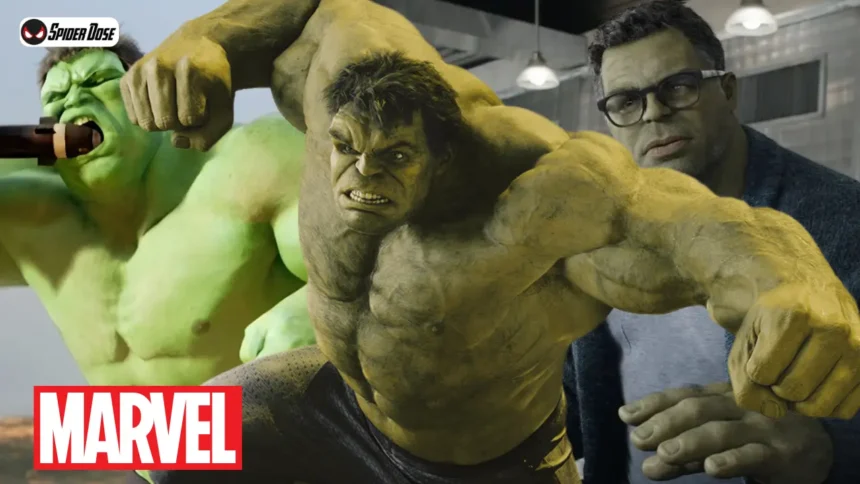
Marvel has created an insane number of superhero movies and series in recent years, and those who love the Hulk might get lost trying to watch them in chronological order, wondering, how many Hulk movies are there? Well, that’s a somewhat complicated question, since in addition to solo films, he also had many appearances in other films.
- The Complete Hulk Movie Count
- The Two Standalone Hulk Films
- Why Only Two Standalone Hulk Movies?
- Hulk’s MCU Appearances Beyond Solo Films
- Hulk Movies in Order: Complete Timeline
- The Evolution of Hulk’s Portrayal
- Box Office Performance Comparison
- Critical Reception Through the Years
- Fan Reactions and Cultural Impact
- Will We Get Another Solo Hulk Movie?
- The Hulk Movie List: What Makes Each Unique
- Behind the Scenes: Production Challenges
- Comic Book Accuracy vs. Cinematic Adaptation
- The Supporting Cast Across Films
- The Music of Hulk Films
- Merchandise and Cultural Presence
- Deleted Scenes and Alternate Versions
- Frequently Asked Questions
- The Future of Hulk on Screen
- Conclusion: The Complete Hulk Journey
As someone who’s tracked the Jade Giant’s journey across multiple studios, reboots, and the Marvel Cinematic Universe, I can tell you that counting Hulk films requires understanding the difference between standalone movies and ensemble appearances. We’re going to break down everything you need to know.
The Complete Hulk Movie Count
Here’s the truth: there are two standalone Hulk movies that tell origin stories, but the character appears in nine total MCU films when you count his Avengers appearances and cameos.

Let me explain exactly what that means and why this distinction matters.
The green goliath has had a complicated cinematic journey. Unlike Iron Man or Captain America, who got clear trilogy arcs, our gamma-powered hero bounced between studios and creative visions before finding his home in the MCU.
The Two Standalone Hulk Films
Hulk (2003) – The Ang Lee Vision
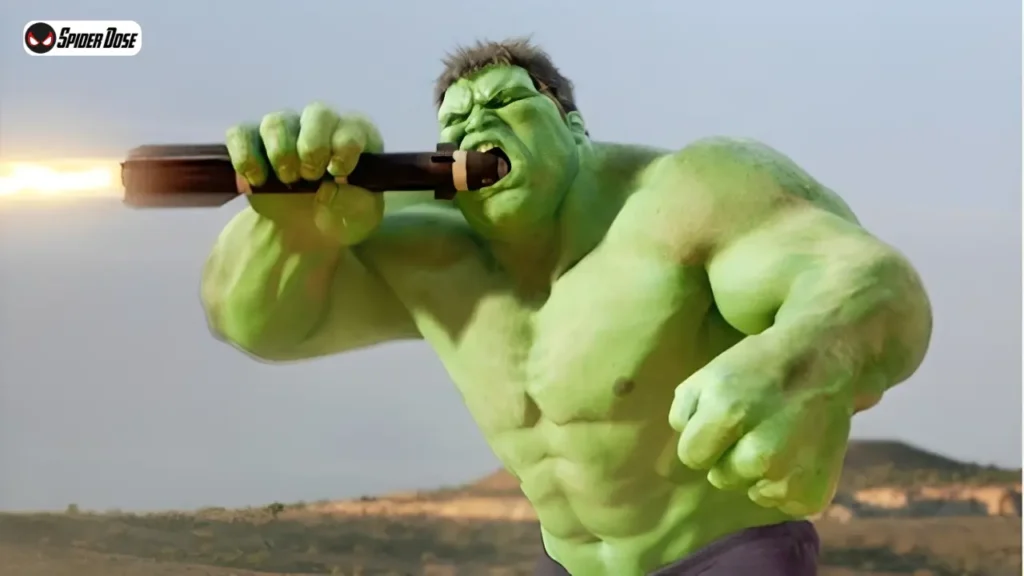
Universal Pictures took the first swing at bringing Bruce Banner to theaters in 2003 with director Ang Lee at the helm. This wasn’t your typical superhero movie.
Eric Bana played the tortured scientist in what became one of the most divisive comic book films of its era. Lee approached the material with artistic ambition, using split-screen techniques that mimicked comic book panels and diving deep into Bruce’s psychological trauma.


The film earned $245 million worldwide against a $137 million budget. While financially successful, critics and fans were split. Some appreciated Lee’s psychological depth and visual experimentation. Others felt it was too slow and philosophical for a movie about a guy who smashes things.
I remember the reaction being polarizing. My comic book store was divided between those who loved the deeper character study and those who wanted more action sequences.
Key details about Hulk (2003):
- Released June 20, 2003
- Budget: $137 million
- Box office: $245.4 million
- Director: Ang Lee
- Not part of the MCU
The Incredible Hulk (2008) – The MCU Reboot
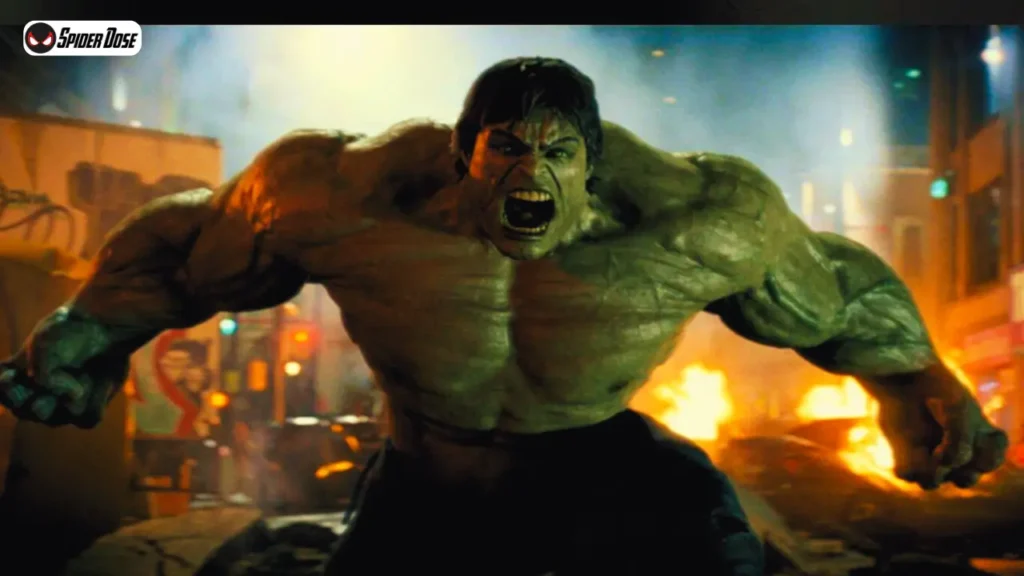
Marvel Studios knew they needed a different approach when they brought Hulk into their shared universe. Just five years after the Ang Lee version, they released The Incredible Hulk with Edward Norton as Bruce Banner.
This film took a completely different tone. Director Louis Leterrier delivered a more action-oriented thriller that drew inspiration from the 1970s TV series starring Bill Bixby. The movie showed Bruce already dealing with his condition, skipping the origin story that audiences had seen recently.
The Incredible Hulk earned $264 million worldwide on a $150 million budget. It remains the lowest-grossing MCU film, but it established important elements that would continue throughout the franchise.



What most people don’t realize is how many MCU connections this movie contains. Tony Stark appears in the post-credits scene. General Thaddeus “Thunderbolt” Ross becomes a recurring character. The Super Soldier Serum connects to Captain America’s origin.
Production details for The Incredible Hulk:
- Released June 13, 2008
- Budget: $150 million
- Box office: $264.8 million
- Director: Louis Leterrier
- Second film in the MCU timeline
The behind-the-scenes drama is worth noting. Edward Norton reportedly had creative differences with Marvel Studios, leading to his replacement by Mark Ruffalo in subsequent films. This recasting initially worried fans but ultimately proved successful.
Why Only Two Standalone Hulk Movies?
When people ask how many Hulk movies are there as standalone films, the answer stops at two because of complicated distribution rights.
Universal Pictures still holds the distribution rights for solo Hulk films, even though Marvel Studios owns the character for other purposes. This means Disney can’t simply greenlight a new Hulk solo movie without involving Universal in distribution.
This legal tangle explains why we see Bruce Banner in Avengers films and other ensemble pieces but haven’t gotten The Incredible Hulk 2 or any other solo adventure.
Kevin Feige and other Marvel executives have hinted at this arrangement in interviews. It’s a frustrating situation for fans who want more Hulk-centric stories, but it’s the business reality.
Hulk’s MCU Appearances Beyond Solo Films
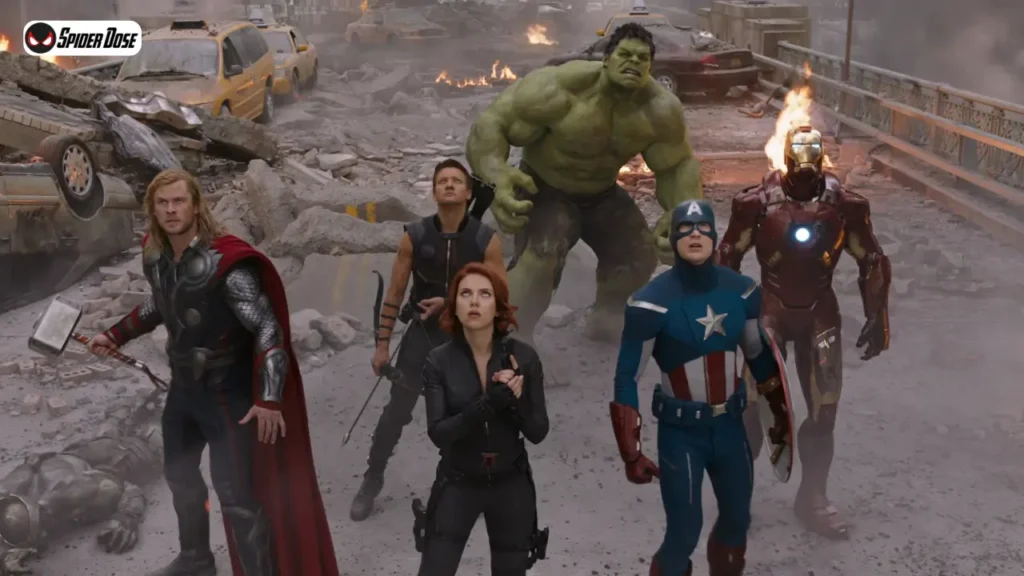
The Avengers (2012)
Mark Ruffalo made his debut as Bruce Banner in The Avengers, and everything changed. His performance brought a weary intelligence to the character that fans immediately embraced.
The film featured iconic Hulk moments, including the famous “that’s my secret, I’m always angry” scene and the hilarious beating of Loki. It grossed over $1.5 billion worldwide.
Avengers: Age of Ultron (2015)
This sequel deepened Bruce’s relationship with Natasha Romanoff and introduced the Hulkbuster armor. The Hulk vs. Hulkbuster fight in Johannesburg remains one of the most impressive action sequences in the entire MCU.
The film ended with Hulk flying away in a Quinjet, setting up his absence in subsequent films.
Thor: Ragnarok (2017)
Director Taika Waititi essentially gave us a Hulk team-up movie disguised as a Thor film. Bruce had been stuck as Hulk on Sakaar for two years, creating an interesting dynamic where the green giant had developed more personality and intelligence.
This movie gave Hulk more character development than he’d received since The Incredible Hulk. The gladiator sequences and the relationship between Thor and Hulk provided some of the MCU’s best comedy.
Avengers: Infinity War (2018)
Hulk’s opening fight with Thanos shocked audiences. Seeing the unstoppable force so completely defeated set the tone for everything that followed.
But what really intrigued fans was Hulk’s refusal to emerge for the rest of the film. This wasn’t about fear—it was about the relationship between Bruce and his alter ego reaching a breaking point.
Avengers: Endgame (2019)
Professor Hulk represented the culmination of Bruce’s arc. By merging his intelligence with Hulk’s strength, he achieved what seemed impossible in earlier films.
His snap to bring everyone back demonstrated heroism at the cost of permanent injury to his arm. Professor Hulk divided fans—some loved seeing Bruce at peace, others missed the savage Hulk.
Shang-Chi and the Legend of the Ten Rings (2021)
A brief post-credits appearance showed Bruce back in human form with his arm in a sling, raising questions about Professor Hulk’s fate.
She-Hulk: Attorney at Law (2022)
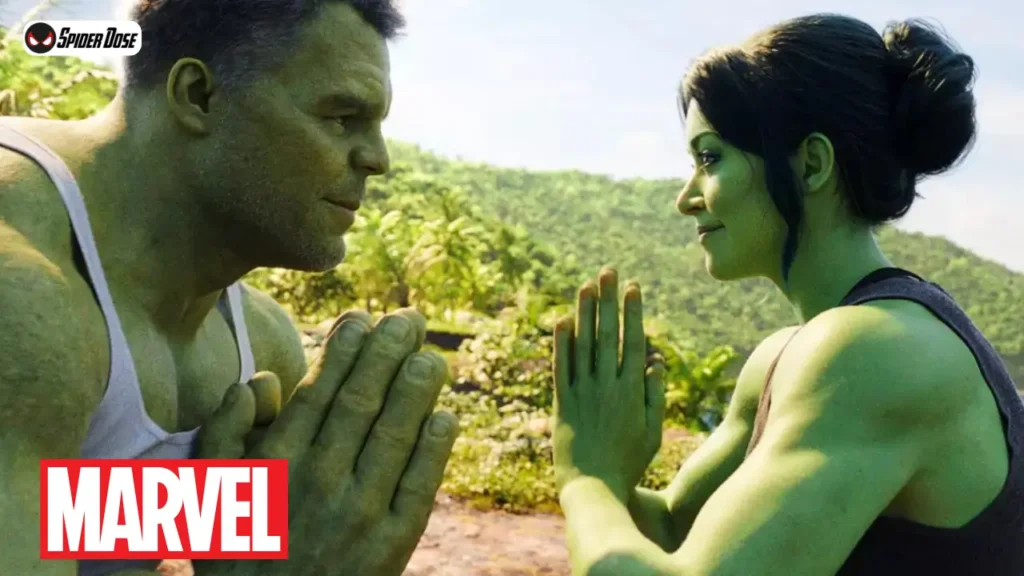
This Disney+ series gave us more Bruce Banner content than we’d seen in years. The show explored how Bruce trained his cousin Jennifer Walters to control her Hulk transformation.
We learned about Bruce’s time in Sakaar, his son Skaar, and got to see Professor Hulk interacting in everyday situations. The series added significant depth to understanding how many Hulk movies are there when you include television content.
What If…? (Animated Series)
While not live-action, What If…? featured Hulk in several alternate timeline stories, expanding the character’s presence across Marvel media.
Hulk Movies in Order: Complete Timeline
For those wondering about Hulk movies in order, here’s the chronological viewing guide:
Non-MCU:
- Hulk (2003)
MCU Timeline:
- The Incredible Hulk (2008)
- The Avengers (2012)
- Avengers: Age of Ultron (2015)
- Thor: Ragnarok (2017)
- Avengers: Infinity War (2018)
- Avengers: Endgame (2019)
- Shang-Chi and the Legend of the Ten Rings (2021) – cameo
- She-Hulk: Attorney at Law (2022) – series
The Evolution of Hulk’s Portrayal
Tracking the Hulk movie list means watching the character’s evolution across different interpretations.
Eric Bana’s version emphasized psychological trauma and Banner’s relationship with his abusive father, David Banner. The Hulk grew larger as he became angrier, reaching heights of 15 feet.
Edward Norton brought a more desperate quality to Bruce, a man on the run seeking a cure while trying to weaponize his condition against threats. This Hulk stood around 9 feet tall.
Mark Ruffalo has portrayed the character with world-weary exhaustion evolving into acceptance. His Hulk started as pure rage but developed into Professor Hulk, a fully integrated personality.
The visual effects have also evolved dramatically. The 2003 Hulk looked cartoonish to modern eyes, with physics that felt off. The 2008 version improved but still had uncanny valley issues. By The Avengers, the motion-capture technology allowed Ruffalo’s facial expressions to shine through, creating a Hulk that felt genuinely connected to Bruce Banner.
Box Office Performance Comparison
Let’s look at how the Hulk movies performed financially:
| Film | Year | Budget | Worldwide Gross | Profit Margin |
|---|---|---|---|---|
| Hulk | 2003 | $137M | $245M | 78% return |
| The Incredible Hulk | 2008 | $150M | $264M | 76% return |
| The Avengers | 2012 | $220M | $1.519B | 590% return |
| Avengers: Age of Ultron | 2015 | $365M | $1.405B | 285% return |
| Thor: Ragnarok | 2017 | $180M | $854M | 374% return |
| Avengers: Infinity War | 2018 | $316M | $2.052B | 549% return |
| Avengers: Endgame | 2019 | $356M | $2.799B | 686% return |
The data tells an interesting story. Solo Hulk films performed modestly, but the character became a massive draw in ensemble pieces.
Critical Reception Through the Years
Hulk (2003) holds a 62% on Rotten Tomatoes. Critics praised Ang Lee’s ambition but felt the execution was uneven. Roger Ebert gave it three stars, appreciating its psychological depth.
The Incredible Hulk sits at 67% on Rotten Tomatoes. Reviews noted improved action but criticized the rushed storytelling and lack of emotional depth compared to other early MCU entries.
The Avengers films featuring Hulk received much stronger critical acclaim, with Infinity War and Endgame both earning over 90% on Rotten Tomatoes.
Fan Reactions and Cultural Impact
When discussing how many Hulk movies are there, we can’t ignore fan sentiment.
The 2003 film has gained appreciation over time. Fans who initially dismissed it now recognize its unique artistic vision and willingness to take risks.
The Incredible Hulk remains somewhat forgotten in MCU discussions, despite its solid action and connections to later films. The recasting of Bruce Banner and Thunderbolt Ross created a disconnect for casual viewers.
Mark Ruffalo’s portrayal has become definitive for a generation. His scenes in Thor: Ragnarok and the Avengers films consistently rank among fan favorites.
However, Professor Hulk remains controversial. Some fans love seeing Bruce achieve balance. Others miss the savage, unpredictable nature that made Hulk exciting.
Will We Get Another Solo Hulk Movie?
This question comes up constantly when people ask how many Hulk movies are there and whether that number will grow.
Mark Ruffalo has expressed interest in another solo film. Kevin Feige has acknowledged the distribution rights issue while noting that Marvel can still use the character extensively.
The success of She-Hulk: Attorney at Law proved there’s still audience appetite for Banner family stories. World War Hulk remains a popular fan-casting for a future MCU film, though adapting it within the distribution constraints would be challenging.
Disney’s relationship with Universal continues to evolve. If they reach a new agreement, we could see another standalone Hulk film. Without such a deal, expect Bruce and Hulk to continue appearing in ensemble projects.
The Hulk Movie List: What Makes Each Unique
Every entry in the Hulk movies catalog brings something different:
Hulk (2003) offered psychological depth and artistic ambition rarely seen in superhero films. Its exploration of generational trauma and repressed anger gave the character gravitas.
The Incredible Hulk delivered straightforward action and thriller elements, creating a fugitive narrative that honored the TV series while building the MCU.
The Avengers gave us Hulk as a weapon of mass destruction turned hero, with the perfect blend of danger and humor.
Age of Ultron explored the consequences of Hulk’s destructive power and his desire for a normal life with Natasha.
Thor: Ragnarok showed us Hulk as a person rather than just a monster, giving the alter ego agency and personality.
Infinity War humbled Hulk by showing him defeated, forcing Bruce to be the hero without his power.
Endgame resolved the Bruce/Hulk conflict through integration rather than dominance.
She-Hulk humanized Bruce further, showing him as a mentor and family member dealing with everyday situations.
Behind the Scenes: Production Challenges
Creating Hulk movies in order required overcoming massive technical challenges.
Ang Lee pushed Industrial Light & Magic to create a fully CG character in 2003, before the technology was truly ready. The team struggled with making Hulk feel weighty and real.
The Incredible Hulk used improved motion-capture but still relied heavily on keyframe animation. The transformation sequences required extensive planning to feel organic.
By The Avengers, Weta Digital used Mark Ruffalo’s full performance capture, recording his movements, facial expressions, and voice simultaneously. This created a Hulk that felt like an extension of the actor.
Each subsequent film refined the process. Thor: Ragnarok gave Hulk more dialogue than ever before, requiring sophisticated facial animation to match Ruffalo’s performance.
Professor Hulk in Endgame presented new challenges—creating a character that blended human intelligence with Hulk’s physical presence while maintaining believability.
Comic Book Accuracy vs. Cinematic Adaptation
Fans debating how many Hulk movies are there often discuss faithfulness to source material.
Hulk (2003) took significant liberties, creating David Banner as Bruce’s father and making Josh Lucas’s character the Absorbing Man. The mutant dogs and energy-absorbing villain felt disconnected from classic Hulk stories.
The Incredible Hulk drew heavily from Peter David’s run and Bruce Jones’s fugitive stories. Tim Roth’s Abomination came directly from the comics, as did Doc Samson and Leader teases.
The MCU films cherry-picked elements from various eras. Planet Hulk influenced Thor: Ragnarok. World War Hulk has been referenced but never fully adapted. Professor Hulk echoes Peter David’s merged Hulk from the 1990s.
She-Hulk pulled from John Byrne’s run while creating new dynamics appropriate for the MCU timeline.
The Supporting Cast Across Films
Understanding the Hulk movies requires appreciating the supporting characters who shaped each story.
Jennifer Connelly played Betty Ross in 2003, bringing emotional weight to Bruce’s love interest. Liv Tyler took over the role in 2008, creating a different but equally compelling Betty.
Sam Elliott portrayed General Ross in 2003, while William Hurt made the character a recurring MCU presence until his passing. Harrison Ford is set to take over the role in Captain America: Brave New World.
Tim Roth’s Emil Blonsky/Abomination returned in Shang-Chi and She-Hulk, becoming a surprising source of comedy and redemption.
Tatiana Maslany’s Jennifer Walters/She-Hulk expanded the Banner family, creating new story possibilities.
The Music of Hulk Films
Danny Elfman composed a memorable score for Hulk (2003), using percussion and strings to represent Bruce’s internal conflict.
Craig Armstrong created a more conventional action score for The Incredible Hulk, with a theme that unfortunately didn’t carry forward into later MCU appearances.
Alan Silvestri’s Avengers theme became associated with Hulk’s heroic moments, particularly the transformation scenes.
Mark Mothersbaugh brought a synth-heavy approach to Thor: Ragnarok, giving Hulk’s Sakaar sequences a unique sonic identity.
Merchandise and Cultural Presence
The question of how many Hulk movies are there extends to the character’s commercial impact.
Hulk merchandise has generated billions across action figures, clothing, video games, and promotional tie-ins. The character’s simple visual design—big, green, angry—makes him instantly recognizable.
Hasbro has produced countless Hulk figures tied to each film. The Marvel Legends line includes versions from every major appearance.
Video games like The Incredible Hulk (2008) and Lego Marvel Super Heroes keep the character active in gaming.
Hulk appears prominently in Marvel’s Avengers Campus at Disney Parks, including a Quinjet ride and character meet-and-greets.
Deleted Scenes and Alternate Versions
Hulk (2003) originally ran even longer, with additional scenes exploring Bruce’s childhood trauma and his mother’s fate. Ang Lee trimmed these for pacing.
The Incredible Hulk had an alternate opening showing Bruce’s suicide attempt in the Arctic, which appeared in trailers but was cut from the theatrical release. Norton’s longer cut reportedly ran 135 minutes compared to the theatrical 112 minutes.
Avengers: Age of Ultron originally included more Bruce/Natasha romance and deeper exploration of Hulk’s departure.
Endgame test audiences saw different versions of Professor Hulk, including one where the transformation happened on-screen rather than during the five-year gap.
Frequently Asked Questions
How many Hulk movies are there in total?
There are two standalone Hulk films: Hulk (2003) and The Incredible Hulk (2008). However, the character appears in nine total MCU films when counting Avengers movies and other appearances.
Are the 2003 and 2008 Hulk movies connected?
No, they are completely separate continuities. Hulk (2003) is not part of the MCU, while The Incredible Hulk (2008) is the second film in the Marvel Cinematic Universe.
Why did they recast Bruce Banner?
Edward Norton played Bruce Banner in The Incredible Hulk (2008) but creative differences with Marvel Studios led to his replacement by Mark Ruffalo for The Avengers (2012) and all subsequent appearances.
Will there be another solo Hulk movie?
Currently, distribution rights complications with Universal Pictures prevent Marvel Studios from producing another solo Hulk film. The character continues appearing in ensemble projects and series.
Which Hulk movie is best?
This is subjective, but fan polls typically favor Mark Ruffalo’s appearances in The Avengers and Thor: Ragnarok over the standalone films.
Is She-Hulk considered a Hulk movie?
She-Hulk: Attorney at Law is a Disney+ series rather than a film, but it heavily features Bruce Banner and expands the Hulk story significantly.
What happened to Edward Norton’s Hulk?
The Incredible Hulk (2008) remains MCU canon despite the recasting. References to events from that film appear in later MCU projects, and characters like Abomination have returned.
How tall is Hulk in different movies?
Hulk’s height varies: approximately 15 feet in the 2003 film, 9 feet in 2008, and around 8-9 feet in MCU films from The Avengers onward. Professor Hulk stands about 8 feet tall.
Can I skip the Hulk solo movies?
While The Incredible Hulk is MCU canon, you can follow the overall MCU story without watching it. However, it provides context for General Ross and Abomination that enriches later appearances.
What comic stories influenced the Hulk movies?
The films draw from various sources including The Incredible Hulk #1 (origin), Peter David’s psychological run, Bruce Jones’s fugitive stories, Planet Hulk, and elements from World War Hulk.
The Future of Hulk on Screen
Looking ahead, the question of how many Hulk movies are there may evolve.
World War Hulk remains the most requested adaptation among fans. The story of Hulk returning to Earth angry and powerful would make an incredible film, but the distribution rights situation complicates things.
She-Hulk season two hasn’t been officially announced but remains possible. The series left threads dangling, including Skaar’s introduction and Bruce’s mysterious space journey.
Thunderbolts and Captain America: Brave New World will both feature Red Hulk, expanding the gamma-powered corner of the MCU without needing solo Hulk films.
Mark Ruffalo has expressed interest in continuing the role as long as Marvel wants him. At 56 years old, he could play Bruce Banner for years to come, especially with Professor Hulk’s less physically demanding nature.
Conclusion: The Complete Hulk Journey
So when someone asks how many Hulk movies are there, the simple answer is two standalone films. But the complete answer encompasses a journey across 15 years of cinema, from Ang Lee’s artistic experiment to Professor Hulk’s integration in the MCU.
I’ve watched every one of these films multiple times, tracking Hulk’s evolution from misunderstood monster to celebrated hero. Each entry in the Hulk movies catalog offers something unique, whether it’s psychological depth, thrilling action, cosmic adventure, or legal comedy.
The Hulk movie list may be shorter than those of other Marvel heroes, but the character’s impact on superhero cinema is undeniable. From groundbreaking visual effects to exploring themes of anger, control, and acceptance, Hulk films have pushed boundaries and entertained millions.
Whether you’re discovering these films for the first time or revisiting them as a longtime fan, understanding Hulk movies in order helps appreciate how far the character has come. From that moment in 2003 when my brother grabbed my arm in the theater to watching She-Hulk on Disney+ with my own kids, the Jade Giant continues to evolve.
We may not know when we’ll see Bruce Banner next or if another solo film will overcome the distribution rights hurdles. But one thing is certain—the story of Hulk on screen is far from over. The gamma-powered legacy continues to grow, and fans will keep asking questions about these films for years to come.
That’s the beautiful thing about Hulk. He’s more than just a character who smashes things. He represents our struggle with anger, our desire for acceptance, and our journey toward integrating all parts of ourselves—even the parts that scare us.
And isn’t that worth a few more movies?