






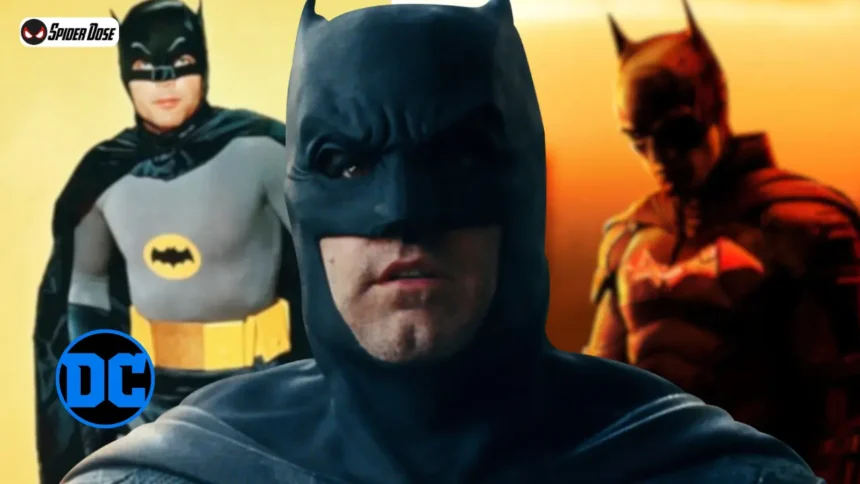
Gotham City has been rebuilt countless times on the big screen, which is why understanding batman movies in order is not as simple as watching them by release date. Each era brought a different tone, actor, and vision for the Dark Knight, creating multiple timelines that coexist rather than connect directly. While revisiting these films, I realized that seeing Batman’s story unfold chronologically gives a deeper appreciation for how the character evolved across generations.
- Batman (1966)
- Batman (1989)
- Batman Returns (1992)
- Batman Forever (1995)
- Batman & Robin (1997)
- Batman: Return to the Batcave (2003)
- Batman Begins (2005)
- The Dark Knight (2008)
- The Dark Knight Rises (2012)
- Batman v Superman: Dawn of Justice (2016)
- Justice League (2017 / 2021)
- The Batman (2022)
- The Batman: Part II
Instead of focusing only on box office hits, this guide explores how each film fits into its own narrative universe, from early campy interpretations to darker, more grounded takes.
Batman (1966)
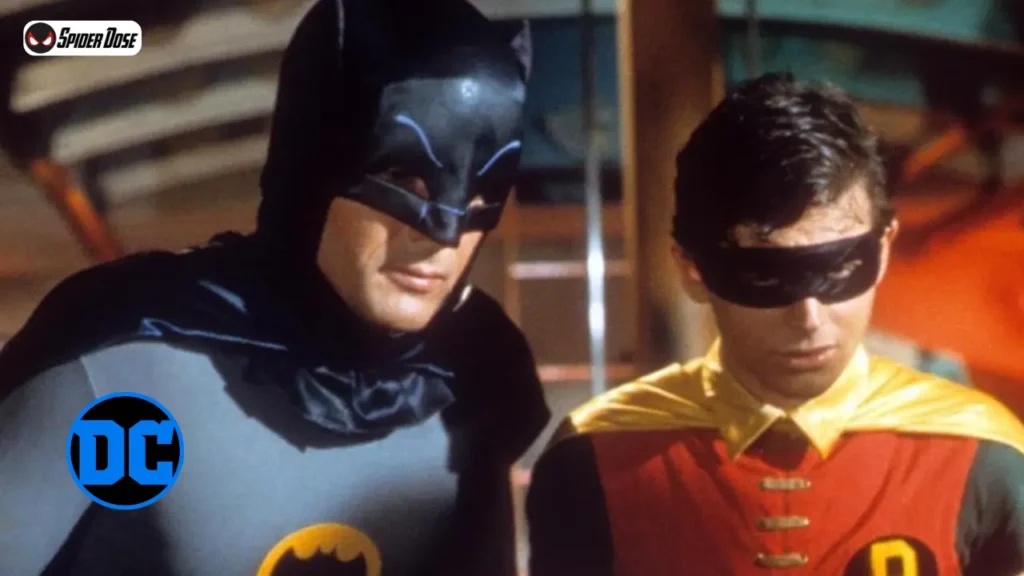
Released in 1966 and starring Adam West, Batman: The Movie is directly tied to the classic television series of the same era. Instead of a dark or dramatic tone, the film fully embraces satire, exaggerated performances, and colorful visuals. Gotham City is portrayed as absurd and intentionally unrealistic, reflecting how comic book heroes were viewed at the time.

The plot centers on Batman and Robin facing a rare alliance between four major villains: The Joker, The Penguin, The Riddler, and Catwoman. Their plan involves dehydrating world leaders and holding them hostage, leading to a series of comedic action sequences. While this film has no lasting continuity with later adaptations, it is the first theatrical Batman movie and establishes the foundation of Batman’s presence in cinema.
Batman (1989)
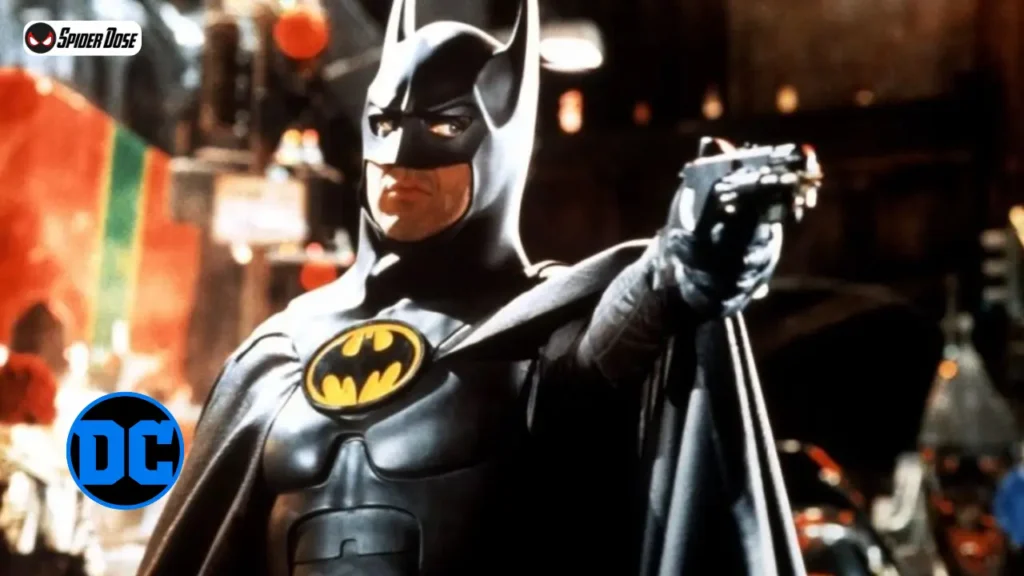
Directed by Tim Burton, Batman (1989) marked a dramatic reinvention of the character. Michael Keaton plays a more mysterious and psychologically complex Bruce Wayne, while Gotham City becomes dark, corrupt, and gothic. This film introduces Batman as an urban legend rather than a public hero, emphasizing fear as a weapon against crime.
The story focuses heavily on Batman’s conflict with The Joker, portrayed by Jack Nicholson, whose origin is tied directly to Batman’s past. Key moments include the chemical attack on Gotham’s citizens and the iconic climax atop the cathedral. This movie reshaped public perception of superhero films and established a darker tone that would influence Batman adaptations for decades.
Batman Returns (1992)
Batman Returns continues Burton’s vision, expanding Gotham’s moral complexity. Bruce Wayne faces not only criminals but reflections of his own duality through Catwoman and The Penguin. Michelle Pfeiffer’s Catwoman represents a tragic transformation driven by trauma, while Danny DeVito’s Penguin is a grotesque figure seeking revenge and acceptance.


The film explores themes of identity, isolation, and power, showing Batman as a lonelier and more conflicted hero. Major plot points include Penguin’s political manipulation of Gotham and Catwoman’s personal vendetta against corruption. Unlike its predecessor, this movie leans more into psychological drama, making it one of the most thematically layered Batman films ever made.
Batman Forever (1995)
With Batman Forever, director Joel Schumacher introduced a tonal shift while keeping narrative continuity. Val Kilmer portrays a more emotionally expressive Bruce Wayne, struggling with memories of his parents’ death. Gotham becomes visually brighter, blending neon aesthetics with comic-inspired architecture.
The film introduces Two-Face and The Riddler, both driven by an intense obsession with Batman, making it a notable chapter when examining Batman Movies in Order. A major storyline involves Bruce Wayne’s internal conflict over whether to continue being Batman, especially after meeting Dick Grayson, who later becomes Robin.
While lighter in tone compared to darker entries in the Batman movies in order, the film adds meaningful psychological depth by focusing on trauma, responsibility, and the emotional cost of heroism.
Batman & Robin (1997)
Often considered the most controversial Batman film, Batman & Robin fully embraces camp and spectacle. George Clooney plays Batman in a story that prioritizes visual excess over narrative realism. Gotham becomes a neon playground, and the dialogue leans heavily into humor and puns.
The plot revolves around Mr. Freeze, who seeks to save his cryogenically frozen wife, and Poison Ivy, whose goal is environmental domination. Despite its reputation, the film introduces themes of teamwork and loyalty, expanding the Bat-family dynamic. Its reception ultimately led Warner Bros. to pause Batman films and later reboot the franchise entirely.


Batman: Return to the Batcave (2003)
Released in 2003, Batman: Return to the Batcave – The Misadventures of Adam and Burt is often overlooked in traditional batman movies in order lists — and for good reason. Unlike theatrical releases, this project was produced as a TV special, created to celebrate the legacy of the iconic 1960s Batman series rather than to advance a cinematic storyline.
The film blends fictional scenes with behind-the-scenes storytelling, featuring Adam West and Burt Ward reprising their roles in a playful, self-aware narrative. Instead of focusing on Gotham’s crime or a central villain, the story revolves around a lighthearted mystery connected to the original Batmobile, serving as a tribute to the era that defined Batman for an entire generation.
Because of its documentary-style structure and nostalgic tone, the special is not considered canon and does not fit into any established Batman timeline. Still, it plays an important role in preserving the cultural impact of the classic series, offering fans a rare look at the history, humor, and enduring charm of Batman’s television roots.
Batman Begins (2005)
Batman Begins, directed by Christopher Nolan, resets the character from the ground up. The film explores Bruce Wayne’s childhood trauma, his global training, and the philosophical foundations of Batman. Christian Bale presents a grounded and disciplined version of the character.
The main antagonist, Ra’s al Ghul, challenges Gotham through fear and systemic collapse rather than spectacle. Key events include the League of Shadows’ plan to destroy Gotham’s morality and Bruce’s decision to become a symbol. This film established realism as the new standard for superhero storytelling.
The Dark Knight (2008)
Widely regarded as a landmark film, The Dark Knight pushes Batman into ethical territory rarely explored before. Gotham faces chaos through The Joker, portrayed by Heath Ledger, whose actions test the limits of justice and order.
The narrative centers on escalation: Batman’s methods, Harvey Dent’s downfall, and the moral cost of vigilantism. The ferry dilemma and Dent’s transformation into Two-Face are pivotal moments. This film reframes Batman not just as a hero, but as a necessary sacrifice for Gotham’s survival.
The Dark Knight Rises (2012)
Set years later, The Dark Knight Rises concludes Nolan’s trilogy with themes of legacy and redemption. Bruce Wayne is physically broken and emotionally withdrawn when Bane emerges as a revolutionary threat to Gotham.
Major events include Gotham’s isolation, Batman’s apparent defeat, and the passing of the mantle. The film emphasizes hope and renewal, closing Bruce Wayne’s arc while redefining what Batman represents beyond the individual.
Batman v Superman: Dawn of Justice (2016)
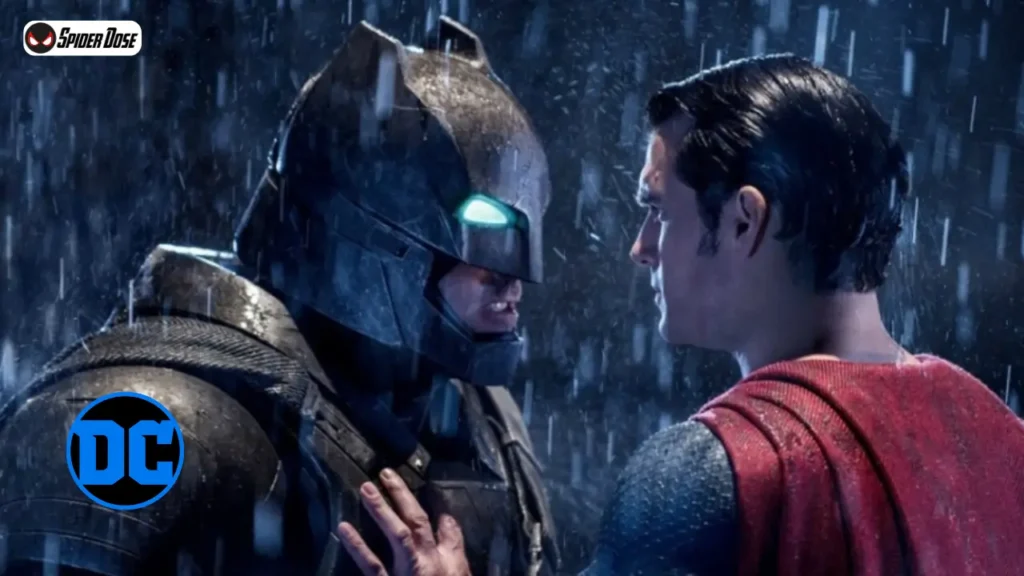
This film introduces an older, more cynical Batman within a shared universe, making it a crucial entry when discussing Batman Movies in Order. Ben Affleck’s Bruce Wayne is shaped by years of crime-fighting and the destruction caused by Superman.
The story revolves around ideological conflict, manipulation by Lex Luthor, and Batman’s eventual realization of shared humanity. Within the broader context of Batman movies in chronological order, this version emphasizes brutality and fear, presenting Batman as a fallen hero seeking redemption.
The movie is often the film that most closely echoes the ideas explored in Batman White Knight, especially in how it portrays Bruce Wayne as a controversial and morally fractured figure. In both stories, Batman is no longer seen only as a symbol of hope, but as a vigilante whose methods are openly questioned by society and institutions. The film highlights a darker, more aggressive Batman driven by fear and trauma. He believes extreme measures are justified. This strongly mirrors the central theme of White Knight: is Batman truly saving Gotham, or slowly becoming part of its problem?
Justice League (2017 / 2021)
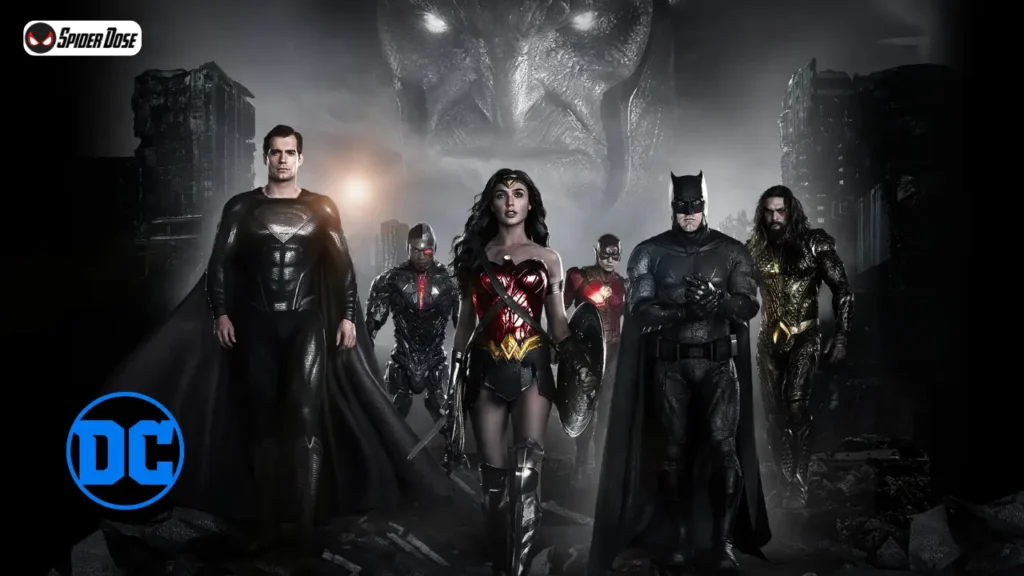
Batman takes on a leadership role, assembling heroes to defend Earth from Steppenwolf. The extended Snyder Cut adds depth to Batman’s strategy, guilt, and vision of unity, making this chapter essential when watching the Batman movies in order, especially to understand his transition into a team-driven hero.
These films show Batman evolving from isolation to collaboration. This progression becomes much clearer when following the Batman movies in order. Viewing each story in isolation misses how he adapts to a world of gods and metahumans.
The Batman (2022)
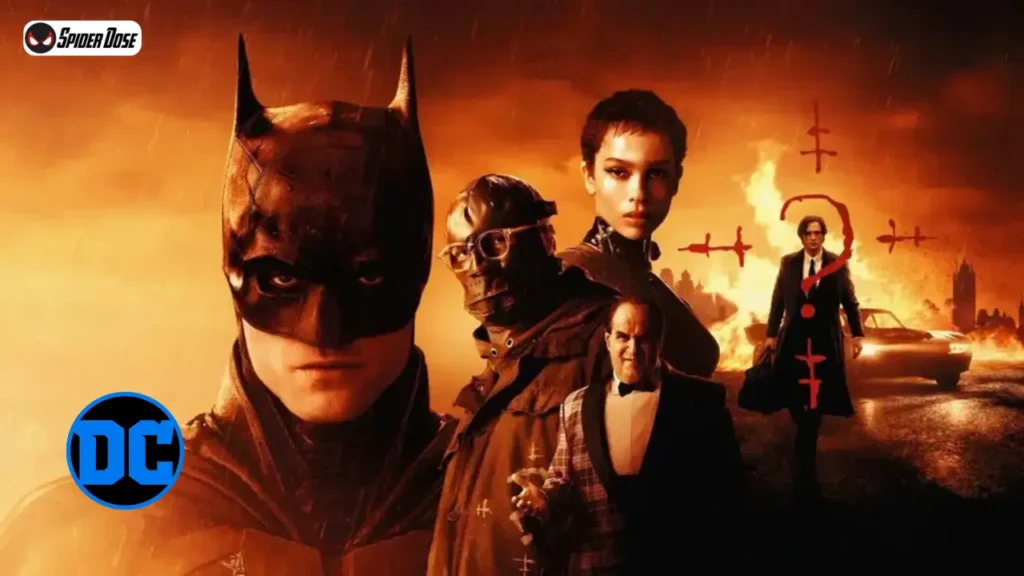
Set early in Batman’s career, The Batman stars Robert Pattinson and focuses on detective work. Gotham is corrupt, flooded with crime, and ruled by fear.
The central conflict with The Riddler exposes systemic corruption tied to Bruce Wayne’s family. This film redefines Batman as a flawed investigator rather than a polished hero, offering a grounded and noir-inspired take.
The Batman: Part II
The film was officially delayed and is now scheduled for release on October 2, 2026. This makes it an important future chapter when discussing Batman Movies in Order. The sequel continues the grounded and noir-inspired universe introduced in The Batman (2022). Matt Reeves returns as director and Robert Pattinson returns as Bruce Wayne. The delay is tied to script development and production timelines. The studio chose to prioritize quality over rushing the follow-up.
Narratively, the new film is expected to dive deeper into Gotham’s corruption and Bruce Wayne’s evolution. Within the broader timeline of Batman movies in order, this sequel represents a more mature stage of the character. The first movie focused on Batman’s early years and his confrontation with the Riddler. The sequel should expand the scope of Gotham’s criminal underworld. New villains and more complex moral dilemmas are expected. Reeves has already hinted that this chapter will challenge Batman beyond brute force. The focus will reinforce his investigative and psychological side.
For viewers who want to revisit the story before the sequel arrives, The Batman (2022) is currently available on the HBO Max streaming platform, alongside several other DC titles. This makes it easier for fans to rewatch the film, analyze key plot points, and stay connected to this modern take on the Dark Knight while waiting for The Batman: Part II to finally hit theaters in 2026.