




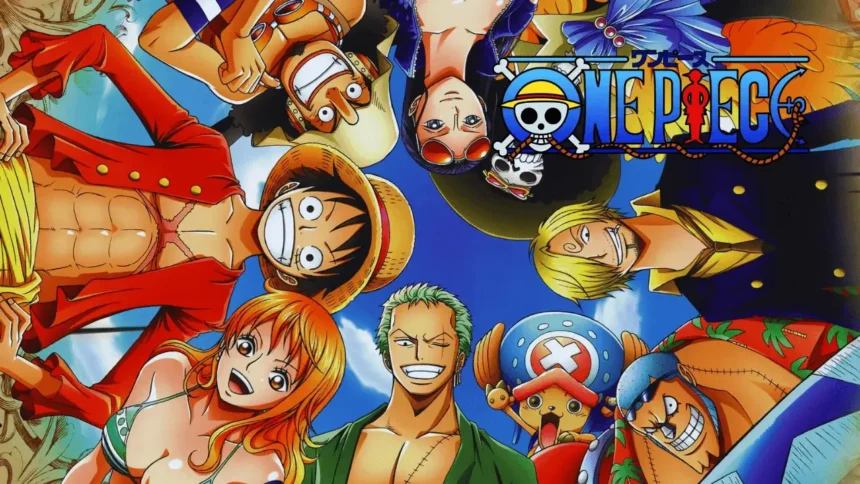
Starting One Piece can feel overwhelming. Many people look at the episode count and feel lost before they even begin. It is normal to feel this way. With more than a thousand episodes, One Piece is not a short commitment, and that is exactly why understanding fillers becomes so important. Having a reliable anime One Piece filler list by your side can make the whole experience much more manageable, helping you decide what to watch and what to skip without losing track of the story.
A anime One Piece filler list exists to make this journey easier. It helps you understand which episodes truly matter to the main story and which ones are optional. This does not mean fillers are always bad, but it does mean that not every episode is necessary for understanding the core adventure of Luffy and the Straw Hat crew.
If you are someone who wants to enjoy One Piece without wasting time or feeling frustrated, this article will guide you calmly and clearly. You do not need previous knowledge. You do not need to be an anime expert. Everything here is explained in simple language, with care and patience, so anyone can follow along comfortably.


Complete One Piece Filler Episode List
Below is a clear and easy list of all known filler episodes and arcs.
You can bookmark this page and come back anytime.
Full Anime One Piece Filler List Arcs and Episodes:
- Episodes 54–60 — Warship Island Arc
- Episodes 98–99 — Desert Pirates Episodes
- Episode 102 — Vivi and the Ruins
- Episodes 131–135 — Post-Alabasta Arc
- Episodes 136–138 — Goat Island Arc
- Episodes 139–143 — Ruluka Island Arc
- Episodes 196–206 — G-8 Arc
- Episodes 220–224 — Ocean’s Dream Arc
- Episodes 225–226 — Foxy’s Return Arc
- Episodes 279–283 — Enies Lobby Flashback
- Episodes 291–292 — Boss Luffy Specials
- Episode 303 — Boss Luffy Cherry Tree
- Episodes 317–319 — Post-Enies Lobby Stories
- Episodes 326–336 — Ice Hunter Arc
- Episodes 382–384 — Spa Island Arc
- Episodes 406–407 — Special Historical Arc
- Episodes 426–429 — Little East Blue Arc
- Episodes 457–458 — Marineford Recap
- Episode 492 — Luffy & Toriko Crossover
- Episode 542 — Save Chopper Special
- Episodes 575–578 — Z’s Ambition Arc
- Episode 590 — Special Collaboration
- Episodes 626–628 — Caesar Retrieval Arc
- Episodes 747–750 — Silver Mine Arc
- Episodes 780–782 — Marine Rookie Arc
- Episodes 895–896 — Cidre Guild Arc
- Episode 907 — 20th Anniversary Romance Dawn
- Episodes 1029–1030 — Film Red Tie-In Arc
- Episode 1084 — Farewell to Wano Special
This list covers all main filler content up to now.
One Piece Filler Episodes That Feel Like Hidden Treasures
As One Piece progressed, the story naturally became bigger and heavier. Political conflicts, moral dilemmas, and extremely cruel villains slowly took center stage. Early One Piece was different. The stakes were lower, the tone was lighter, and the story often paused just to let the Straw Hat crew exist together — a contrast that becomes obvious when browsing a complete One Piece filler list. This change is one of the reasons some fans feel nostalgic about the anime’s early years.



That is where certain filler episodes quietly shine. Many early One Piece fillers focus on humor, small character moments, and everyday interactions that the main story no longer has time to explore. These episodes give space for the crew to argue, joke, relax, and simply feel like a family — a value often highlighted in any well-curated One Piece filler list.
The best example is the G-8 arc, which takes place after Skypiea. Instead of a random island, the Straw Hats accidentally land inside a heavily fortified Marine base. What follows is a clever escape story where crew members disguise themselves as Marines, creating a constant game of tension and comedy. Each character gets a moment to stand out: Sanji uses his cooking to blend in, Robin excels at quiet infiltration, Usopp relies on his lies to survive, and Luffy struggles to be subtle. The arc feels natural, funny, and surprisingly well-paced — which is why many fans consider it better than what you typically find in a Naruto filler list or even a Bleach filler list.
Another arc worth mentioning is the Film Red tie-in. While it briefly interrupts the Wano arc, it adds emotional context to Luffy’s past friendship with Uta. Even though it is not fully canon, it enriches Luffy’s character in a way that feels sincere rather than forced.
When One Piece Fillers Struggle to Stay Afloat
Not every filler arc in One Piece reaches that level of quality, and this is where a One Piece filler list becomes especially useful for viewers trying to protect their time. Some arcs feel rushed, poorly animated, or disconnected from the story in ways that actively harm pacing. The Warship Island arc is often cited as one of the weakest examples, as it delays the Straw Hats’ entry into the Grand Line and introduces ideas that later clash with established canon, most notably the appearance of a dragon.
This becomes a problem years later when dragons are treated as myths within the story, creating an awkward contradiction that could have been avoided. Beyond that, the arc suffers from unremarkable visuals and a narrative that fails to leave a lasting impression.
Later filler arcs such as Silver Mine and Cidre Guild face similar criticism. Both are movie tie-ins that interrupt major canon arcs without meaningfully connecting to their respective films. The Cidre Guild arc, in particular, is infamous for appearing right before the Wano arc, a moment when narrative momentum mattered most and unnecessary detours were especially noticeable.



Even more divisive are the Spa Island and Foxy’s Return arcs. These episodes bring back Foxy, a character who already divided the fanbase. Instead of improving his reception, these fillers doubled down on traits many viewers disliked, reinforcing the idea that Foxy does not belong in the larger story. While One Piece has fewer filler arcs than series like Naruto, many of these later additions are widely considered skippable, much like several Naruto filler arcs that disrupt key moments.
How One Piece Avoided the Filler Trap Other Shōnen Fell Into
Despite running since 1999 and surpassing a thousand episodes, One Piece has avoided the extreme filler problem seen in other long-running shōnen anime, which is something a well-structured One Piece filler list makes especially clear when comparing series. Where Naruto and Bleach were known for long stretches of non-canon content, One Piece took a more controlled and deliberate approach.
A major reason for this is Eiichiro Oda’s continued involvement and the anime team’s respect for his storytelling. Instead of creating long, disconnected filler sagas, Toei Animation often slows the pacing of canon episodes, extends scenes, or adds short comedic moments that still feel true to the world, a balance that becomes evident when reviewing any detailed One Piece filler list.
Another effective strategy is the use of short bridge arcs and movie tie-ins. While not all of them are successful, arcs like G-8 or the Film Red tie-in act as narrative buffers between large sagas. They give viewers room to breathe without completely derailing the main plot.
Because filler is used sparingly, One Piece rarely loses its sense of direction. Even when the story slows down, it still feels like One Piece. This careful balance has helped the anime maintain consistency and avoid the burnout that affected many of its shōnen peers.
For viewers interested in watching the series legally, One Piece is available on platforms like Crunchyroll, which offers a large portion of the anime with subtitles, and Netflix, where availability depends on region. These platforms provide a reliable way to experience the series while supporting its creators.
Frequently Asked Questions About One Piece Fillers
Does One Piece have filler episodes? Yes, One Piece has filler episodes. The series stays closer to the manga than most long-running anime, but filler arcs still appear throughout the timeline. Some arcs are short, while others, like the G-8 arc, last several episodes and deliver surprisingly good content.
How much of One Piece is filler? Roughly 10 to 12 percent of One Piece is filler. This is much lower than Naruto or Bleach, which makes One Piece one of the most manga-faithful long-running anime out there.
How many One Piece filler episodes are there? One Piece has approximately 100 filler episodes out of more than a thousand total. That number can shift slightly because some episodes mix canon and filler content instead of being fully one or the other.
Which One Piece filler episodes should I skip?
Most filler arcs are safe to skip. They do not affect the main story at all.
That said, some arcs add real value. The G-8 arc brings great character moments. The Film Red tie-in adds emotional depth to Luffy’s story. A solid One Piece filler list always separates the skippable episodes from the ones worth watching.
What does the One Piece filler list look like on anime sites and Reddit?
Anime tracking sites present the One Piece filler list as a numbered episode guide. Each episode gets a label: canon, filler, or mixed.
Reddit threads go further. Community members share personal opinions on which filler arcs are actually enjoyable. This helps newer viewers make smarter choices about what to watch.
Is there a complete One Piece filler list for the anime?
Yes, several anime sites maintain full and updated One Piece filler lists. These lists cover the entire series and receive regular updates as new episodes air.